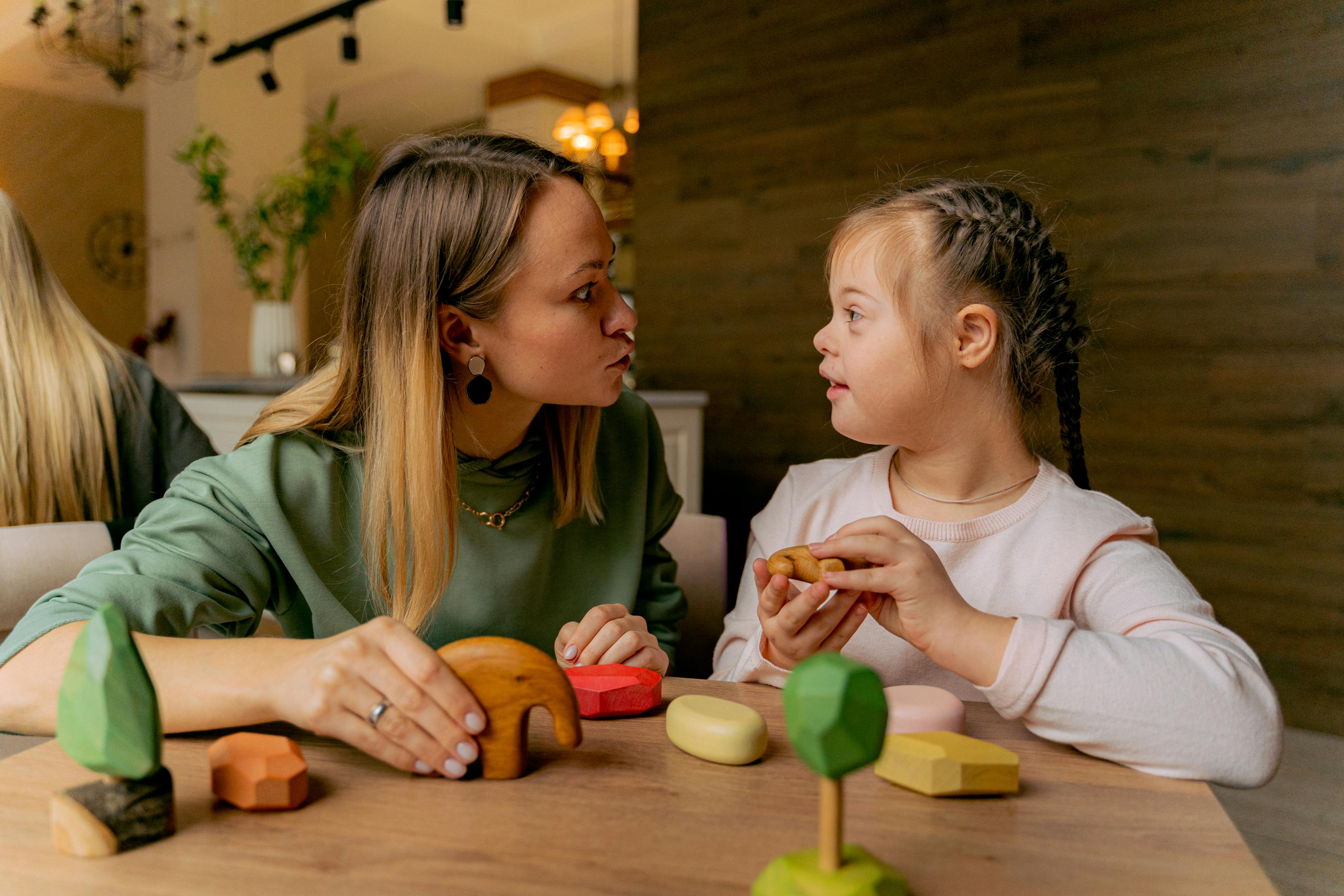
Special needs preschools and Applied Behavior Analysis (ABA) therapy are pivotal in the early developmental stages of children with special needs. These specialized programs work hand-in-hand to enhance essential skills, offering a structured environment where children can thrive. The combination of a supportive preschool setting and the scientifically-backed approaches of ABA therapy create an enriching experience that significantly benefits young learners, providing them with the tools they need to succeed in later life.
The Role of Special Needs Preschools
Special needs preschools are designed to cater to children with varying developmental challenges. These schools focus on creating an inclusive environment that promotes learning and growth through tailored educational plans and resources.
Key Features of Special Needs Preschools
- Individualized Education Plans (IEPs) to cater to each child’s unique needs.
- Specialized staff trained in special education to provide expert guidance and support.
- Adaptive learning tools and materials to engage children effectively.
- Structured routines that provide consistency and security for children.
- Inclusive activities that encourage social interaction and peer learning.
These features not only help in academic learning but also in building self-esteem and social skills. Special needs preschools act as a bridge, preparing children for the future educational challenges they might face.
Understanding ABA Therapy
ABA therapy is a well-researched approach aimed at improving specific behaviors such as communication, social skills, and adaptive learning skills. It is highly individualized and data-driven, ensuring that each child’s progress is closely monitored and strategies are adjusted as needed.
Benefits of ABA Therapy in Early Education
- Enhances communication skills through targeted interventions.
- Promotes positive behaviors and reduces harmful or challenging behaviors.
- Improves focus, social interactions, and academic performance.
- Facilitates independence by teaching essential life skills.
- Supports families by providing strategies to manage behaviors at home.
ABA therapy is an integral part of the educational framework for children with special needs, providing a foundation for lifelong learning and personal development.
Integrating Special Needs Preschools and ABA Therapy
The integration of special needs preschools with ABA therapy creates a holistic approach to child development. This synergy ensures that children receive comprehensive support, addressing both educational and behavioral aspects.
For instance, an IEP might incorporate specific ABA strategies to target communication skills within the school environment. This integration allows for a seamless transition between therapy and education, maximizing the benefits for the child.
To deepen the understanding of these approaches, educators and parents can discover expert strategies here and learn about our tailored solutions that are specifically designed for special needs education.
Choosing the Right Program
When selecting a program for a child with special needs, it is important to consider the specific services offered and how they align with the child’s individual requirements. Factors to consider include:
- The qualifications and experience of the staff involved.
- The availability of specialized resources and support services.
- The level of integration between educational and therapeutic services.
- Feedback from other parents and caregivers about the program’s effectiveness.
- Opportunities for parental involvement and support.
Parents and caregivers can explore advanced guides and tips to ensure that they choose a program that best supports their child’s development.
Conclusion
Both special needs preschools and ABA therapy play crucial roles in enhancing the skills of children with special needs. By offering a combined approach that addresses educational and behavioral needs, these programs provide a robust framework for early development. To ensure the best outcomes, parents and educators are encouraged to find out more about this approach and how it can be tailored to meet individual needs. Embracing these methods can lead to significant improvements in the quality of life and future prospects for children with special needs.