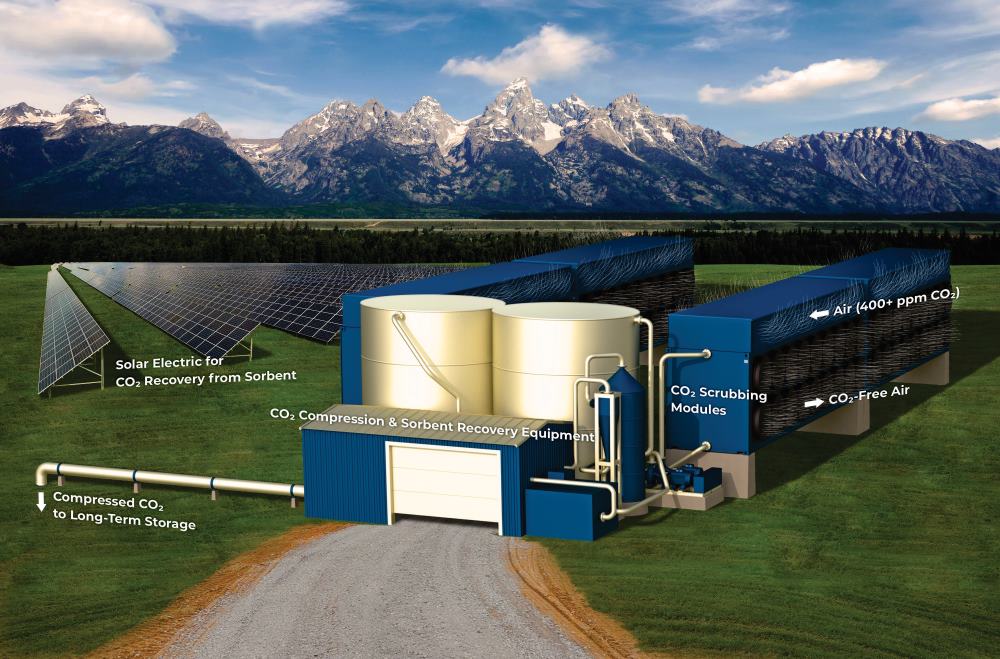
As the world grapples with the escalating challenges of climate change, efforts to reduce atmospheric carbon emissions are more crucial than ever. A significant portion of these emissions stems from industrial activities and the combustion of fossil fuels. A key solution to address this issue is the development and implementation of carbon dioxide capture methods. These techniques not only mitigate the release of CO2 into the atmosphere but also contribute to the advancement of sustainable energy practices. This article explores various methods of carbon dioxide capture, their roles in achieving cleaner air, and the future of these technologies.
Understanding Carbon Dioxide Capture
Carbon dioxide capture involves capturing CO2 emissions at their source before they enter the atmosphere. This process is vital for reducing the carbon footprint of industries and power plants that rely heavily on fossil fuels. The primary objective is to enhance air quality and curb the adverse effects of global warming.
Types of Carbon Dioxide Capture Methods
- Pre-combustion Capture: This method involves converting fossil fuels into a mixture of hydrogen and carbon dioxide prior to combustion. The CO2 is then isolated and stored, while the hydrogen is used as a clean fuel.
- Post-combustion Capture: Post-combustion capture involves removing CO2 from flue gases after the combustion process. It is one of the most widely used methods due to its adaptability to existing power plants.
- Oxy-fuel Combustion: This method burns fuel in pure oxygen instead of air, resulting in a flue gas that is primarily water vapor and CO2, which can be easily captured and stored.
- Direct Air Capture (DAC): Unlike other methods, DAC captures CO2 directly from the ambient air. This innovative approach holds promise for reducing atmospheric CO2 levels on a global scale.
The Role of Carbon Dioxide Capture in Achieving Cleaner Air
Carbon dioxide capture is pivotal in the transition towards cleaner air and sustainable energy. By integrating carbon dioxide capture systems into industrial processes, it is possible to significantly reduce emissions and promote environmental health. The implementation of these technologies contributes to:
- Reduction of Greenhouse Gas Emissions: Capturing CO2 before it reaches the atmosphere is a direct approach to reducing the greenhouse effect and combating climate change.
- Enhanced Air Quality: By minimizing CO2 and other pollutants, carbon capture technologies contribute to improved air quality and public health.
- Compliance with Environmental Regulations: As governments worldwide impose stricter emissions regulations, carbon capture technologies help industries comply with these standards.
- Promotion of Sustainable Practices: Integrating carbon capture with renewable energy sources supports a cleaner, more sustainable energy infrastructure.
Challenges and Future Prospects
While carbon dioxide capture technologies offer significant environmental benefits, they also face several challenges. High costs, energy requirements, and the need for extensive infrastructure are among the primary hurdles. Despite these challenges, the future of carbon capture looks promising due to:
- Technological Advancements: Ongoing research and development are expected to reduce costs and increase the efficiency of carbon capture methods.
- Government Support: Policies and incentives aimed at reducing emissions can accelerate the adoption of carbon capture technologies.
- Public Awareness: Increasing awareness of environmental issues can drive demand for cleaner technologies and practices.
In conclusion, the role of carbon dioxide capture methods in achieving cleaner air is undeniably critical. As global efforts to combat climate change intensify, the adoption of these technologies will play a pivotal role in ensuring a sustainable future. By addressing current challenges and embracing technological advancements, the potential of carbon capture to transform our approach to energy and emissions is vast and promising.

