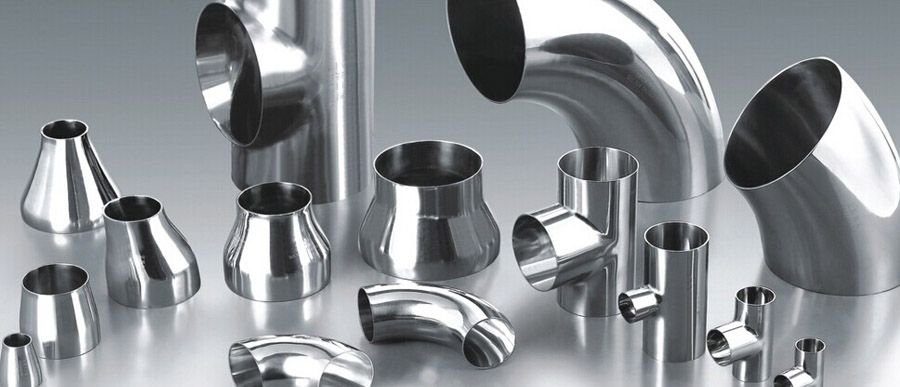
Steel pipe joints are critical components in various industrial and structural applications. They ensure the integrity and continuity of piping systems, making it essential to focus on their durability. Today, industries demand robust and reliable solutions to avoid leaks, system failures, and costly repairs. By understanding the factors that influence the durability of steel pipe joints, stakeholders can make informed decisions to enhance the lifespan of their systems. This article explores effective strategies and best practices for ensuring long-lasting steel pipe joints that can withstand the test of time and operational demands.
Material Selection
The foundation of a durable steel pipe joint begins with selecting the right material. The properties of the base metal significantly impact the joint’s performance and longevity. Considerations include:
- Corrosion Resistance: Opt for materials like stainless steel that offer superior resistance to corrosion, especially in harsh environments.
- Strength: High tensile strength materials ensure the joint can withstand pressure and stress without deforming.
- Ductility: Materials with good ductility accommodate stress without fracturing, which is vital for systems subject to temperature fluctuations.
Design Considerations
Joint Type
The type of joint selected plays a crucial role in its durability. There are several designs to consider:
- Welded Joints: These provide a strong, permanent connection with minimal maintenance requirements.
- Flanged Joints: Ideal for systems that require disassembly for maintenance or inspection.
- Threaded Joints: Common in smaller pipes and systems needing frequent reconfiguration.
Load and Stress Analysis
Conducting a thorough analysis of the loads and stresses that the joint will encounter is essential. This includes considering the:
- Internal Pressure: High-pressure systems require joints that can handle significant stress.
- External Forces: Vibration, thermal expansion, and contraction can impact joint integrity.
Installation Techniques
Proper installation of steel pipe joints is crucial to their durability. Key practices include:
- Professional Installation: Employ skilled technicians to ensure accurate alignment and secure connections.
- Quality Control: Implement rigorous inspection processes during and after installation to identify potential issues early.
- Use of Sealants: Appropriate sealants can enhance joint tightness and leak prevention.
Regular Maintenance
Even the most well-designed and installed steel pipe joints require regular maintenance to ensure their longevity. Recommended practices include:
- Routine Inspections: Schedule periodic checks to detect early signs of wear and tear.
- Timely Repairs: Address minor issues promptly to prevent escalation into significant problems.
- Record Keeping: Maintain detailed logs of inspections and maintenance activities for ongoing performance evaluation.
Conclusion
Ensuring the durability of steel pipe joints is a multifaceted process that involves careful material selection, thoughtful design, precise installation, and proactive maintenance. By considering these factors, industries can enhance the reliability and efficiency of their piping systems. For those seeking more information on steel pipe joints, resources and expert advice are readily available to guide every step of the process.

