Cataracts are a common eye condition characterized by the clouding of the eye’s natural lens, which can lead to impaired vision. As a person ages, protein in the lens can clump together, forming a cataract that grows over time. This condition is prevalent among older adults, but with the advancement in medical technology, effective treatments are readily available. Understanding the various treatment options for cataracts is essential for anyone facing this condition. This article provides expert insights into eye cataract treatment, exploring the different methods, recovery processes, and considerations for those seeking to improve their vision.
What is Cataract Surgery?
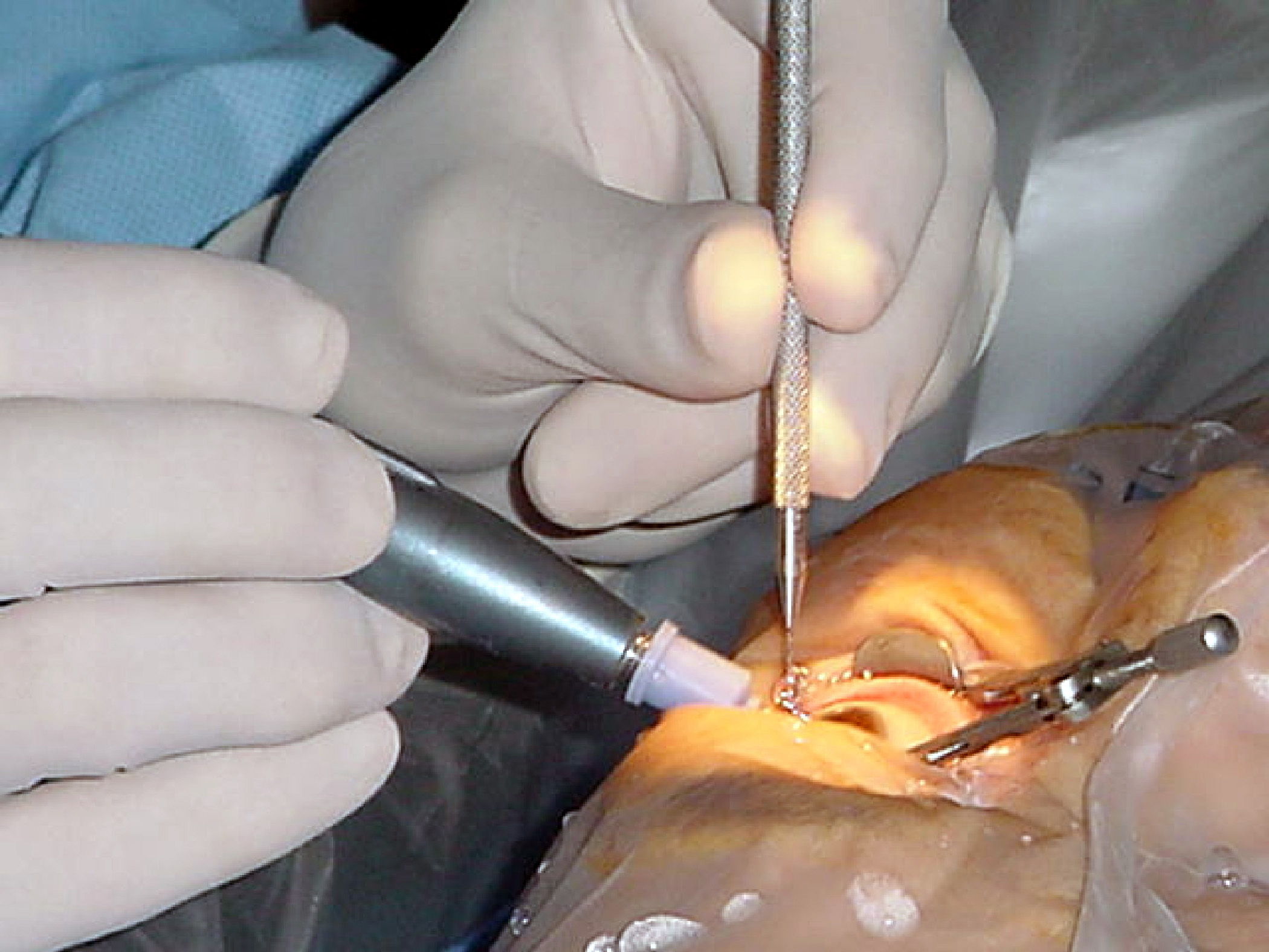
Cataract surgery is the most common and effective treatment for cataracts. During the procedure, the cloudy lens is removed and replaced with a clear artificial lens known as an intraocular lens (IOL). This surgery is typically performed on an outpatient basis and is renowned for its high success rate.
Types of Cataract Surgery
- Phacoemulsification: This is the most common technique, where an ultrasonic device is used to break up the cloudy lens into small fragments, which are then suctioned out of the eye.
- Extracapsular Cataract Extraction (ECCE): In this method, the cloudy lens is removed in one piece through a larger incision. This technique is usually reserved for advanced cataracts.
- Laser-assisted cataract surgery: This modern approach utilizes laser technology to make precise incisions and soften the cataract, making it easier to remove.
For those seeking further details on cataract surgery methods, read more about this topic.
Preoperative Considerations
Before undergoing cataract surgery, patients should be aware of the necessary preoperative steps. These include:
- Comprehensive Eye Examination: An ophthalmologist will conduct a detailed eye examination to assess the severity of the cataract and determine the appropriate course of action.
- Medical History Review: A review of the patient’s medical history and current medications is essential to avoid complications during surgery.
- Lens Measurement: Measurements of the eye will be taken to select the correct type and power of the intraocular lens.
To understand more about preoperative preparations, learn more in this detailed guide.
Postoperative Recovery and Care
After cataract surgery, proper postoperative care is crucial for a successful recovery. Patients should follow these guidelines:
- Use prescribed eye drops: These help to prevent infection and reduce inflammation.
- Avoid strenuous activities: Refrain from heavy lifting, bending over, or engaging in vigorous exercise for a few weeks.
- Protect your eyes: Wear protective eyewear when outdoors, and avoid rubbing your eyes.
- Follow-up appointments: Regular check-ups with your ophthalmologist to monitor healing and address any concerns.
For those interested in more comprehensive postoperative guidelines, explore further insights here.
Choosing the Right IOL
Selecting the appropriate intraocular lens is an important aspect of cataract surgery. Various types of IOLs are available, each offering different benefits:
- Monofocal Lenses: These provide clear vision at a single distance, typically set for distance vision.
- Multifocal Lenses: Designed to provide clear vision at multiple distances, reducing the need for glasses.
- Toric Lenses: These are specifically designed for patients with astigmatism, correcting the irregular curvature of the cornea.
To make an informed decision on choosing the right lens, find additional information here.
Conclusion
Understanding the intricacies of cataract treatment helps in making informed decisions regarding eye health. With various surgical options, pre- and postoperative care, and lens choices, patients can tailor their treatment to suit their individual needs. Staying informed and consulting with a qualified ophthalmologist is key to achieving optimal vision restoration.

