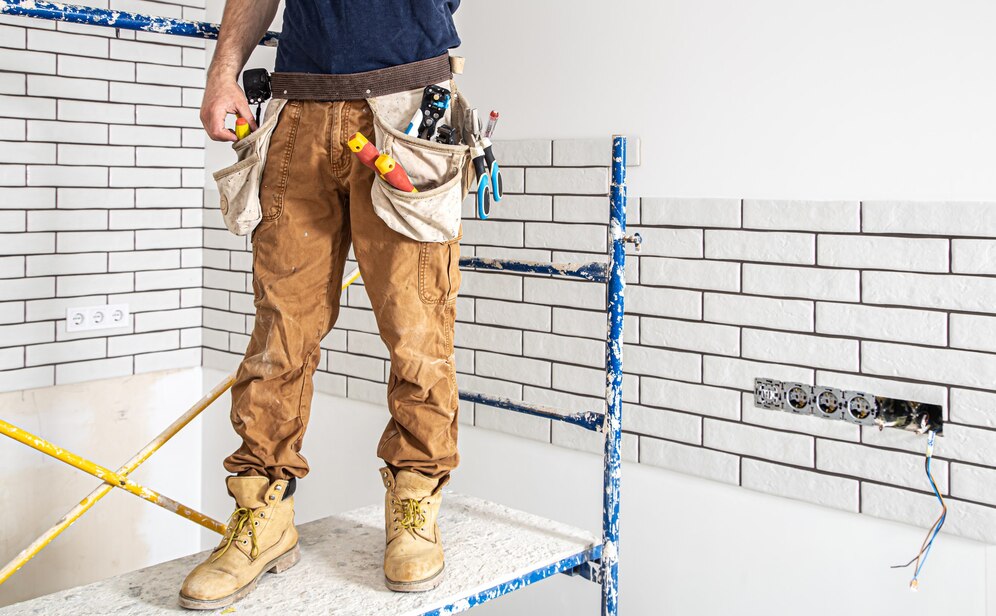
Installing insulated wall panels in basements is an essential step in enhancing energy efficiency and creating a comfortable living environment. Whether you’re embarking on a new basement construction project or upgrading an existing space, understanding the intricacies of wall panel installation can make a significant difference in the outcome. This guide provides expert tips to ensure a successful and professional installation, helping you achieve the ideal balance of insulation, moisture control, and aesthetic appeal.
Preparation and Planning
Before starting with the insulated wall panel installation, thorough preparation is key to avoiding future issues and ensuring a smooth process.
- Assess the Basement Condition: Evaluate the current state of your basement. Check for any signs of moisture, mold, or structural problems that need addressing before installation.
- Choose the Right Materials: Select panels that offer high R-value for optimal insulation. Consider the panel’s moisture resistance, especially in areas prone to dampness.
- Plan Your Layout: Measure the space accurately to determine the quantity of panels needed. Planning the layout helps minimize waste and ensures a seamless finish.
Installation Process
Pre-Installation Steps
Proper pre-installation steps are crucial for setting a strong foundation for the panels.
- Prepare the Walls: Ensure the walls are clean, dry, and free from any debris. Use a moisture barrier if necessary to protect against dampness.
- Mark the Installation Area: Use a chalk line or laser level to mark the installation area, ensuring precision and alignment.
Panel Installation
The actual installation process requires attention to detail and adherence to best practices.
- Start from the Bottom: Begin installation from the bottom up, ensuring that each panel is level and securely fixed.
- Secure with Fasteners: Use appropriate fasteners or adhesive as recommended by the panel manufacturer. Follow guidelines specific to the type of concrete block basement construction.
- Seal the Joints: Properly seal all joints between panels to prevent air and moisture infiltration.
Post-Installation Tips
Once the insulated wall panels are in place, follow these steps to ensure longevity and performance.
- Inspect for Gaps: Check for any gaps or imperfections in the installation that might compromise insulation.
- Finishing Touches: Apply any necessary finishing materials such as drywall or paint, ensuring compatibility with the insulation materials.
Conclusion
Successfully installing insulated wall panels in a basement requires meticulous planning and execution. By following these expert tips, one can achieve an installation that enhances the thermal efficiency and comfort of the basement space. For those looking to undertake such a project, engaging a basement construction contractor may offer additional peace of mind and professional expertise. Explore more about basement construction services to ensure your project meets the highest standards.

