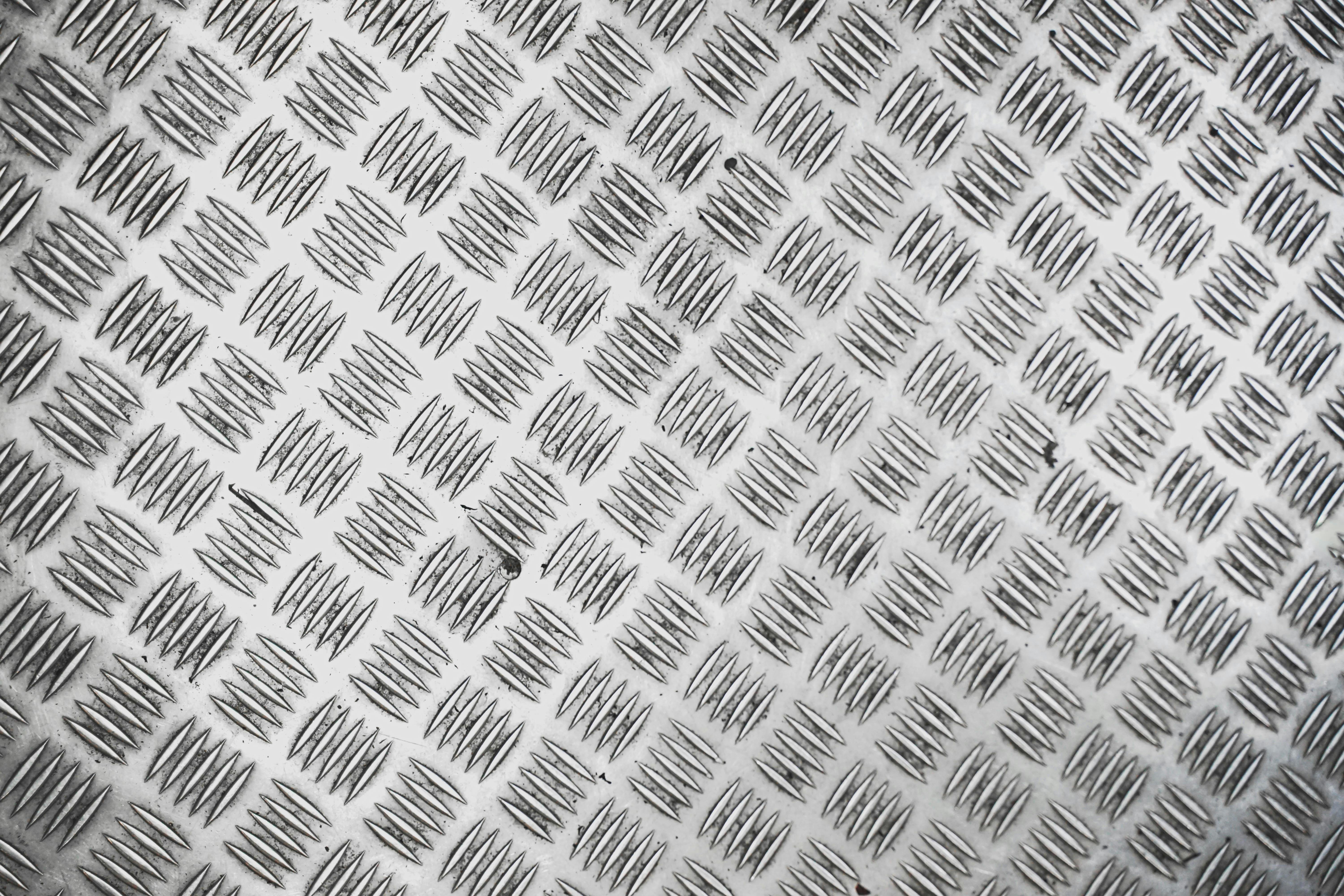
Hardox plates, known for their exceptional hardness and durability, are increasingly becoming the go-to choice for industries that require tough and wear-resistant materials. From construction to mining, these steel plates are integral to ensuring longevity and reliability in various applications. Selecting the appropriate Hardox plate for specific needs can be a complex task given the diverse range of options available. This guide aims to simplify the decision-making process by providing insights into the different types of Hardox plates and factors to consider when choosing the right one for your requirements.
Understanding the Types of Hardox Plates
Hardox plates come in various grades and specifications designed to cater to different industrial needs. Understanding these types is crucial for making an informed decision.
Key Types of Hardox Plates
- Hardox 400: Known for its excellent bendability and weldability, suitable for moderate wear applications.
- Hardox 450: Offers a balanced combination of hardness and toughness, ideal for a wide range of applications.
- Hardox 500: Provides superior wear resistance, making it perfect for high-wear environments.
- Hardox 600: The hardest of the traditional Hardox grades, suited for extreme wear conditions.
- Hardox HiTuf: Specially designed for extreme impact and abrasion, offering enhanced toughness.
For more detailed information on these types, explore advanced guides and tips.
Factors to Consider When Choosing a Hardox Plate
Selecting the right Hardox plate involves evaluating several key factors to ensure optimal performance and cost-effectiveness.
Application Requirements
The primary consideration should be the specific requirements of the application. Factors like the type of wear (abrasive, impact, sliding), load conditions, and environmental exposure play a crucial role in determining the appropriate grade.
Material Properties
- Hardness: Measured in Brinell hardness (HBW), higher hardness usually translates to better wear resistance.
- Toughness: The ability to withstand impact without fracturing, crucial for dynamic applications.
- Bendability and Weldability: Essential for fabrication processes, ensuring ease of use in manufacturing.
To learn about our tailored solutions regarding these properties, visit the provided link.
Cost Efficiency
While initial cost is a consideration, the total cost of ownership should also be evaluated. A more expensive plate with higher wear resistance may offer better value by reducing downtime and maintenance costs.
Practical Tips for Selecting Hardox Plates
Making the right choice involves not just understanding the technical specifications but also practical considerations.
- Consult with industry experts to match the plate’s properties with your specific needs.
- Consider potential future applications to ensure the plate’s versatility.
- Evaluate supplier reliability and support to ensure consistent quality and service.
For expert insights and strategies, discover expert strategies here.
Conclusion
Selecting the right Hardox plate requires a careful assessment of various factors, including application needs, material properties, and cost considerations. By thoroughly evaluating these aspects, industries can ensure that they invest in a solution that not only meets their immediate requirements but also provides long-term benefits. For more comprehensive guidance, find out more about this approach.

