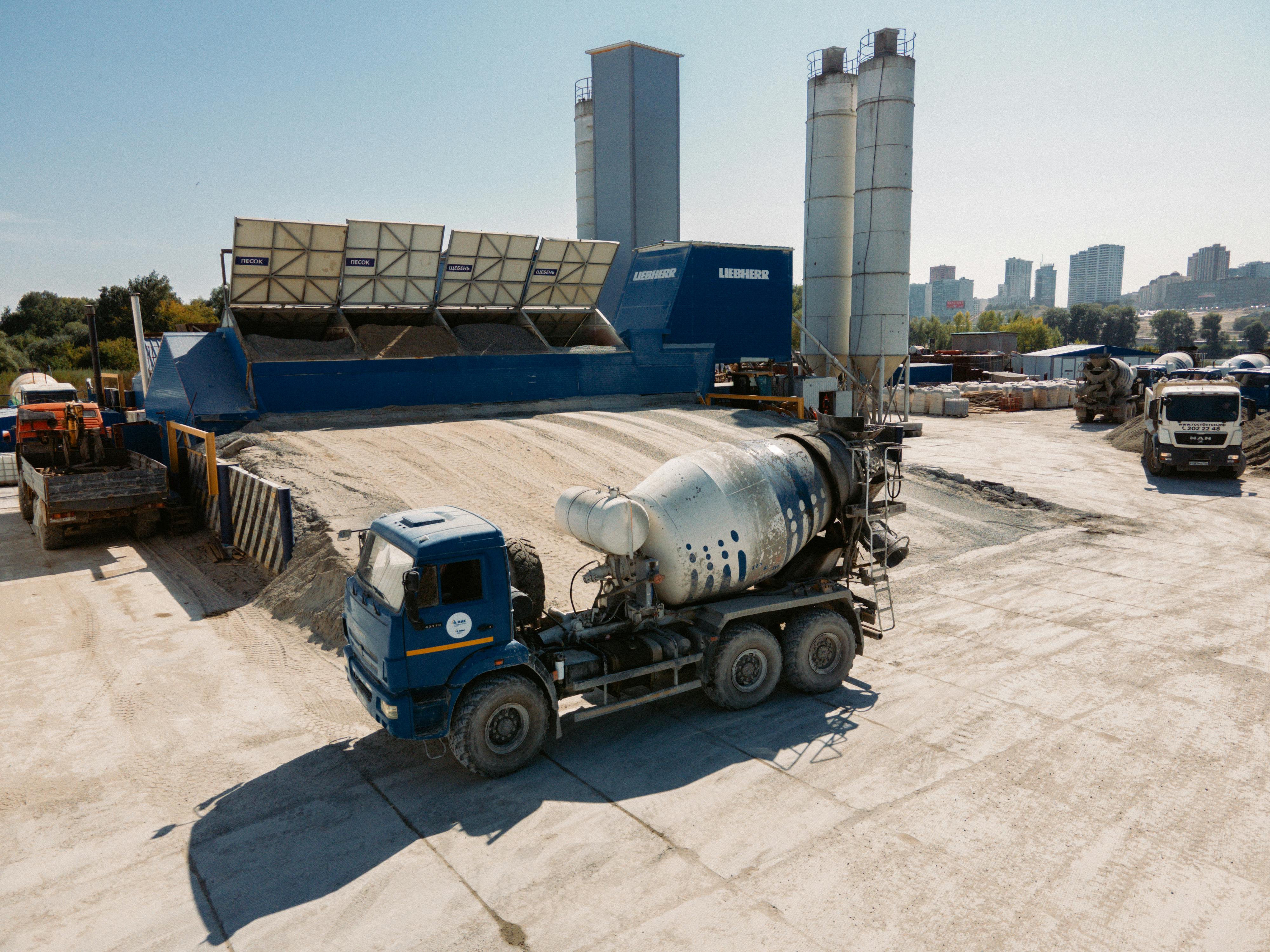
Asphalt drum mix plants play a vital role in the construction industry, providing the essential materials needed for building roads, highways, and pavements. These plants are designed to produce hot mix asphalt efficiently and continuously, catering to both large-scale and small-scale projects. Understanding the key components of an asphalt drum mix plant is crucial for optimizing operations and ensuring high-quality output. This article delves into the main components and features of an asphalt drum mix plant, highlighting their functions and significance in the asphalt production process.
Drum Dryer
The drum dryer is the heart of an asphalt drum mix plant. It is responsible for drying and heating aggregates to the required temperatures. The efficiency of the drying process significantly impacts the quality of the final asphalt product. Key features of the drum dryer include:
- High-efficiency burner for optimal fuel consumption.
- Precision temperature control to ensure consistent asphalt quality.
- Robust design to withstand high temperatures and harsh operating conditions.
Cold Aggregate Feeder
The cold aggregate feeder is where the asphalt production process begins. It feeds different sizes of aggregates into the drum dryer. This component is crucial for maintaining the desired mix proportions. Essential aspects include:
- Multiple bins to accommodate different aggregates.
- Adjustable feed rates for precise control over the mix composition.
- Automated systems to monitor and control the aggregate flow.
Conveyor System
The conveyor system transports aggregates from the cold feeder to the drum dryer and then to the storage silos. This system ensures a continuous flow of materials through the plant. Important considerations include:
- Durability to handle heavy loads and resist wear and tear.
- Efficient design to minimize energy consumption.
- Ability to operate in various environmental conditions without compromising performance.
Filler and Bitumen Tanks
Filler and bitumen tanks are integral to the asphalt mixing plant. They store and supply the necessary materials for the asphalt mix. Key features include:
- Insulated tanks to maintain temperature and prevent material degradation.
- Accurate weighing systems for precise mix ratios.
- Automated heating systems to ensure the correct material viscosity.
Control System
The control system is the brain of the asphalt plant, overseeing the entire production process. It ensures smooth operations and consistent output quality. Its main features include:
- Advanced automation for seamless plant operations.
- Real-time monitoring and data collection for process optimization.
- User-friendly interfaces for easy operation and troubleshooting.
Dust Collection System
A robust dust collection system is essential for any asphalt batching plant. It helps in minimizing environmental impact and maintaining regulatory compliance. Important components are:
- Bag filters to capture fine particulates.
- Efficient fans and ducts to manage airflow and capture dust effectively.
- Regular maintenance features to ensure system efficiency and longevity.
Storage Silo
The storage silo is where the final hot mix asphalt is stored before being loaded onto trucks. It plays a crucial role in maintaining the temperature and quality of the asphalt mixture. Characteristics of an efficient silo include:
- Insulation to prevent heat loss and maintain mix temperature.
- High capacity to accommodate large production volumes.
- Automated systems for efficient loading and unloading.
In conclusion, each component of an asphalt premix plant contributes significantly to the efficiency and quality of the asphalt production process. By understanding these components, stakeholders can make informed decisions to enhance their operations, whether dealing with a stationary or mobile asphalt plant. For those seeking reliable equipment, consulting with an experienced asphalt plant supplier can provide valuable insights and solutions tailored to specific needs.