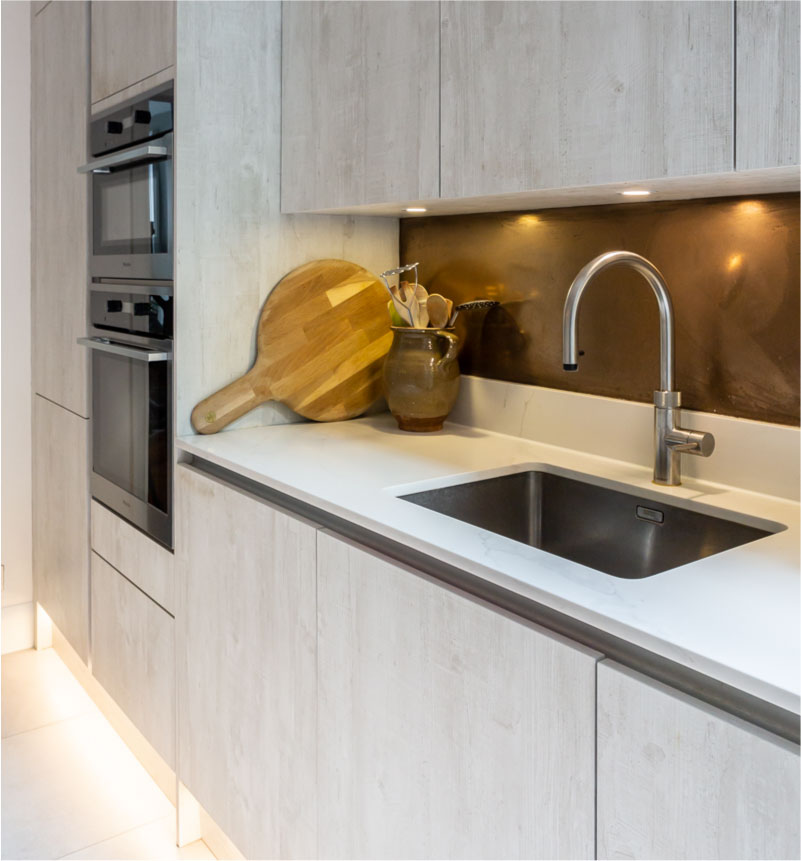
When it comes to essential kitchen tools, a wooden chopping board is indispensable for both amateur cooks and seasoned chefs. Not only does it provide a sturdy surface for chopping, slicing, and dicing, but it also adds a touch of elegance and warmth to any kitchen setup. With a myriad of options available in the market, selecting the right wooden chopping board can be overwhelming. This guide aims to simplify the decision-making process by outlining key considerations and features to help choose a board that suits your culinary needs.
Understanding Different Types of Wood
The type of wood used in the construction of a chopping board greatly influences its durability, aesthetics, and maintenance requirements. Here are some popular choices:
- Maple: Known for its fine grain and durability, maple is a popular choice for its non-porous nature, which makes it resistant to bacteria.
- Walnut: Walnut offers a rich, dark appearance and is slightly softer than maple, making it gentle on knife edges.
- Bamboo: Technically a grass, bamboo is a sustainable option that’s lightweight and easy to maintain. It is also naturally antimicrobial.
- Oak: Oak boards are sturdy and durable, but their porous nature means they may require more maintenance to prevent staining.
Size and Thickness Considerations
When selecting a wooden chopping board, size and thickness are crucial aspects to consider. The right dimensions depend on the available kitchen space and the type of cooking frequently performed.
Size
- Small Boards: Ideal for quick tasks such as slicing fruits or chopping herbs.
- Medium Boards: Suitable for most home cooks, providing ample space for chopping vegetables and meats.
- Large Boards: Perfect for those who often prepare large meals or engage in complex recipes.
Thickness
- Thin Boards: Lightweight and easy to store, but may warp over time with heavy use.
- Thick Boards: More durable and stable, providing a solid cutting surface.
Maintenance and Care
Proper maintenance extends the life of a wooden chopping board, ensuring it remains a staple in the kitchen for years. Here are some tips:
- Regular Cleaning: Wash with warm soapy water after each use and dry immediately to prevent warping.
- Oil Treatment: Apply mineral oil or a specialized wood conditioner monthly to keep the board moisturized and prevent cracking.
- Avoid Dishwasher: Exposure to high heat and moisture can lead to warping and cracking.
Special Features and Add-ons
In addition to the basic features, some chopping boards come with added functionalities:
- Juice Grooves: Channels around the edges to catch liquid and prevent spills when cutting juicy foods.
- Non-slip Feet: Rubberized feet provide stability and prevent movement during use.
- Reversible Design: Boards that can be flipped offer versatility and extend usage between cleanings.
Final Thoughts
Choosing the right wooden chopping board involves considering the type of wood, size, thickness, and additional features that complement one’s cooking style. While aesthetics are important, functionality and durability should be prioritized to ensure a long-lasting addition to your kitchen arsenal. With proper care, a high-quality wooden chopping board can serve as a reliable kitchen companion, making meal preparation a more enjoyable experience.