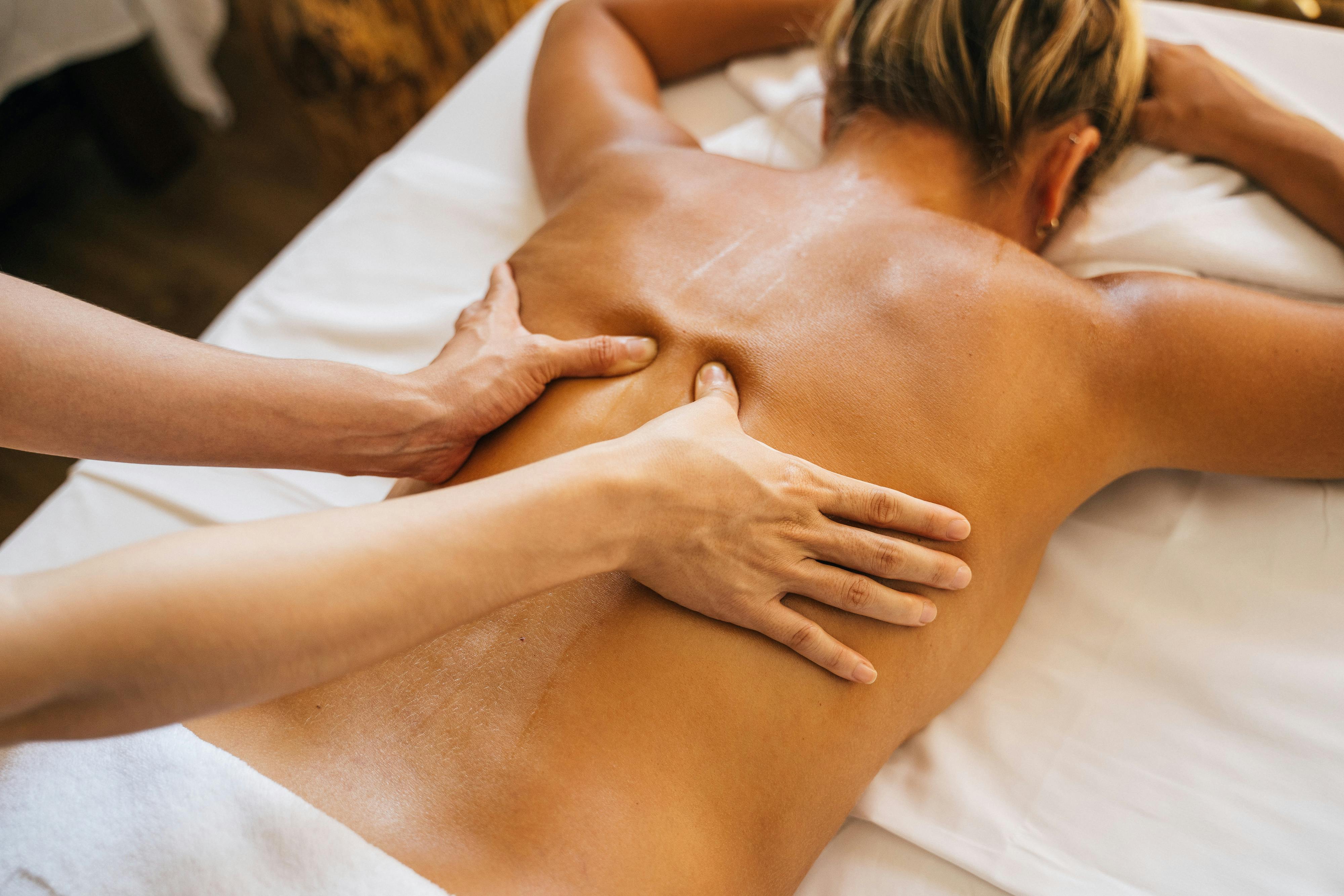
Temporomandibular joint (TMJ) disorders can cause significant discomfort, impacting daily activities such as eating, speaking, and even breathing. While there are numerous treatments available, massage therapy has proven to be an effective method for alleviating pain associated with TMJ disorders. Massage techniques specifically designed for TMJ can relax the muscles, improve circulation, and reduce stress, thereby providing relief and improving quality of life. This article delves into several effective TMJ massage techniques, offering insight and strategies for those seeking relief from TMJ symptoms.
Understanding TMJ Disorders
TMJ disorders occur when there are problems with the jaw muscles and joints. These disorders can arise due to various reasons, including arthritis, jaw injury, or even stress-induced teeth grinding. Symptoms often include jaw pain, stiffness, headaches, and earaches.
Addressing these symptoms through targeted massage can be highly beneficial. Find out more about this approach to understand how massage can play a pivotal role in managing TMJ disorders.
Effective TMJ Massage Techniques
1. Myofascial Release
Myofascial release is a technique that involves applying gentle pressure to the connective tissues surrounding the muscles.
- Use the fingers to gently press into the muscles around the jaw.
- Maintain steady pressure for a few minutes to help release tension.
- Focus on areas that feel particularly tight or tender.
This technique can significantly reduce muscle tension and improve overall jaw mobility. Discover expert strategies here to enhance the effectiveness of myofascial release.
2. Trigger Point Therapy
Trigger points are specific areas in the muscles that can cause pain when pressed. Identifying and relieving these points can alleviate TMJ symptoms.
- Locate the trigger point by gently pressing on the muscles until a tender spot is found.
- Apply consistent, moderate pressure for 30 seconds to 1 minute.
- Repeat the process on other trigger points as needed.
For more detailed guidance on this technique, explore advanced guides and tips that can provide additional insights.
3. Stretching Exercises
Incorporating stretching exercises into a massage routine can help in maintaining flexibility and reducing tightness.
- Gently open and close the mouth to stretch the jaw muscles.
- Move the jaw side to side slowly to increase the range of motion.
- Repeat these exercises several times a day to maintain muscle elasticity.
These exercises, when combined with massage, can greatly enhance the relief from TMJ pain. Learn about our tailored solutions for combining stretching with massage techniques for optimal results.
Additional Tips for TMJ Relief
Beyond massage, there are additional strategies that can assist in managing TMJ symptoms:
- Practice good posture to reduce neck and jaw strain.
- Use heat or cold packs to soothe sore jaw muscles.
- Avoid hard or chewy foods that exacerbate jaw pain.
- Consider stress-reduction techniques such as mindfulness or yoga.
For those interested in exploring a comprehensive approach to TMJ relief, discover expert strategies here that include a variety of techniques and tips.
Conclusion
TMJ massage techniques offer a non-invasive, effective way to manage the discomfort associated with TMJ disorders. By incorporating these massages into a regular routine, individuals can experience significant relief and an improved quality of life. Whether it’s through myofascial release, trigger point therapy, or stretching, understanding and applying these techniques can make a substantial difference. For those seeking further information, explore advanced guides and tips to enhance the efficacy of massage therapy for TMJ disorders.