Transforming a master bedroom into a tranquil and stylish sanctuary requires careful planning and a keen eye for detail. The master bedroom is not only a place of rest but also a reflection of personal style and comfort. Achieving the perfect balance between aesthetics and functionality can elevate the mood of the space, creating an inviting retreat. By exploring various design elements and integrating thoughtful touches, one can master the art of master bedroom interior design with ease and confidence.
Understanding the Basics of Bedroom Design
Before diving into specific design elements, it is essential to grasp the fundamentals of bedroom design. The aim is to create a cohesive space that seamlessly blends comfort and elegance.
- Space Planning: Consider the layout and flow of the room. Ensure there is ample space to move around and that furniture is appropriately scaled to the room’s dimensions.
- Color Palette: Choose a soothing color scheme that promotes relaxation. Neutral tones with pops of color can create a balanced and harmonious atmosphere.
- Lighting: Incorporate a mix of lighting sources, including ambient, task, and accent lighting, to enhance the room’s ambiance and functionality.
Choosing the Right Furniture
Selecting furniture that complements the overall design theme is crucial in achieving a cohesive look. Consider both style and functionality when choosing pieces for the master bedroom.
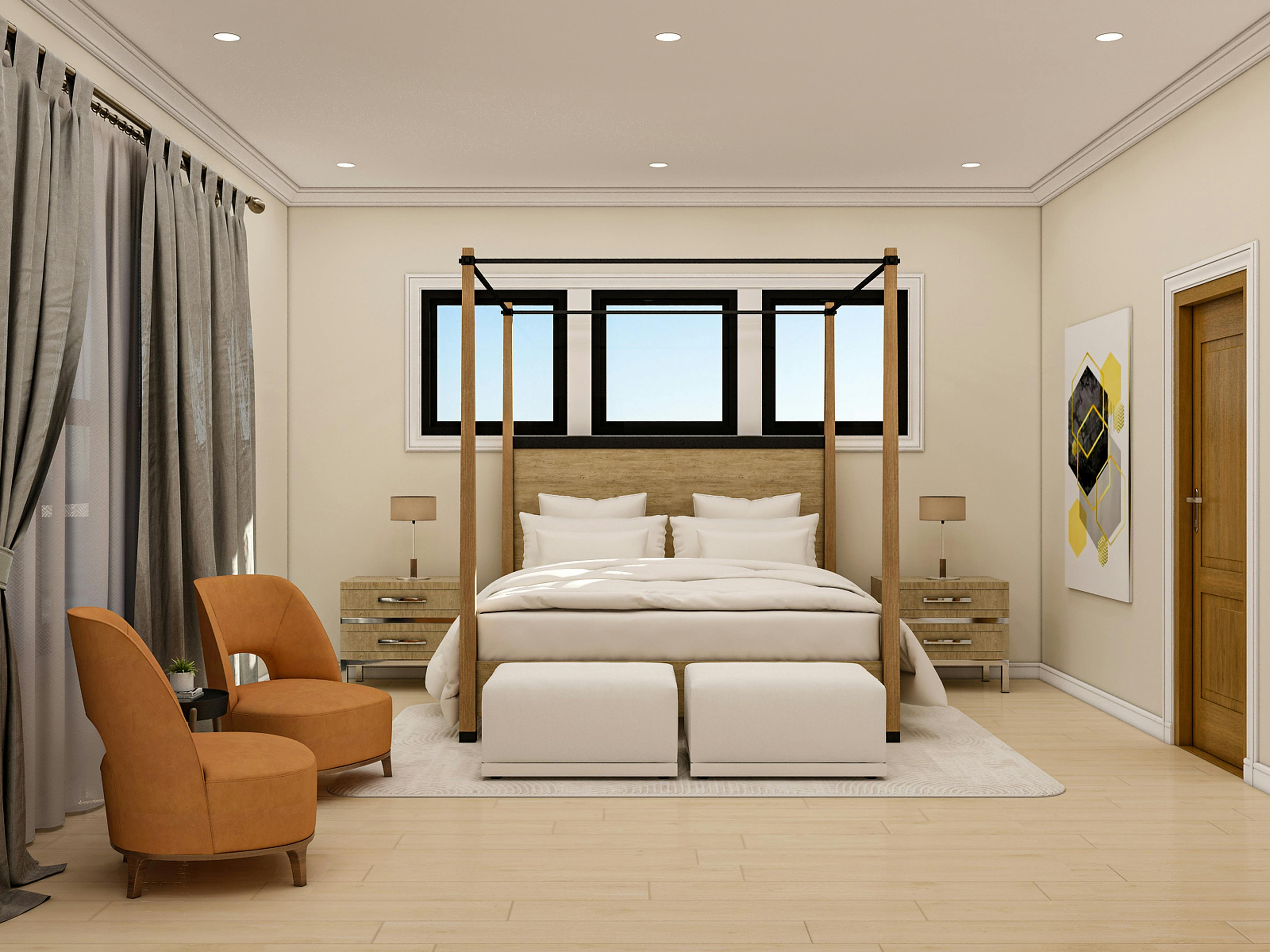
- Bed: As the focal point of the room, the bed should reflect personal taste and provide ultimate comfort. Consider a bed frame that complements the room’s design.
- Storage Solutions: Opt for furniture that offers storage options to maintain a clutter-free environment. Nightstands, dressers, and benches with storage capabilities can be both stylish and practical.
- Seating Area: If space permits, include a seating area to enhance relaxation. A comfortable chair or a small sofa can serve as a cozy reading nook.
Incorporating Design Elements
The inclusion of various design elements can significantly impact the overall feel of the master bedroom. Paying attention to details can help create a personalized and inviting space.
Textiles and Bedding
Textiles play a crucial role in adding warmth and texture to the room. Consider incorporating:
- Bedding: Layering different textures and fabrics can add depth and interest. Choose high-quality sheets, duvets, and throws for maximum comfort.
- Rugs: A plush area rug can anchor the room and provide a soft underfoot experience.
- Curtains: Opt for curtains that complement the color palette and offer privacy while allowing natural light to filter through.
Personal Touches and Accessories
Infuse personality into the space by adding accessories that reflect personal style and interests.
- Artwork: Display artwork that resonates with you, whether it’s a single statement piece or a gallery wall.
- Decorative Accents: Incorporate vases, candles, and other decorative items to enhance the room’s aesthetic.
- Greenery: Introduce plants or flowers to bring life and freshness into the room.
Conclusion
Mastering the art of primary bedroom interior design involves a thoughtful approach to space planning, furniture selection, and the incorporation of design elements. By focusing on creating a harmonious and personalized environment, the master bedroom can transform into a serene and stylish retreat. With careful consideration of each design component, the goal of achieving a beautiful and functional master bedroom is well within reach.