In today’s fast-paced world, maximizing efficiency in every aspect of life has become crucial. This necessity extends to the realm of home utilities, where energy-saving solutions are more sought after than ever. A small hot water tank can be an excellent choice for homeowners looking to optimize their water heating systems. Not only does it take up less space, but it also provides an efficient and reliable source of hot water without the need for a large, energy-consuming system. This article explores ways to maximize the efficiency of a small hot water tank, ensuring you get the most out of your investment.
Understanding the Benefits of a Small Hot Water Tank
Before diving into efficiency tips, it’s essential to understand why a small water heater might be the right choice:
- Space-Saving Design: Perfect for small apartments or homes with limited space, these tanks can fit into tight spots where traditional tanks cannot.
- Energy Efficiency: Less water volume means less energy required to heat the water, leading to lower utility bills.
- Quick Recovery Rate: Modern small tanks often have a rapid recovery rate, ensuring that hot water is quickly available when needed.
- Environmentally Friendly: Reduced energy consumption contributes to a smaller carbon footprint.
Tips for Maximizing Efficiency
Proper Installation
The installation process plays a critical role in the efficiency of a small hot water tank. Ensuring the unit is installed correctly can prevent heat loss and maintain optimal performance. Consider professional installation to guarantee proper setup.
Temperature Settings
Adjusting the temperature settings on your small water heater can significantly impact energy usage. A setting of 120 degrees Fahrenheit is typically sufficient for most household needs and can help conserve energy while reducing the risk of scalding.
Insulation
Adding insulation to your small hot water tank and the surrounding pipes can minimize heat loss. This simple step helps maintain water temperature for longer periods, reducing the energy required to reheat the water.
Regular Maintenance
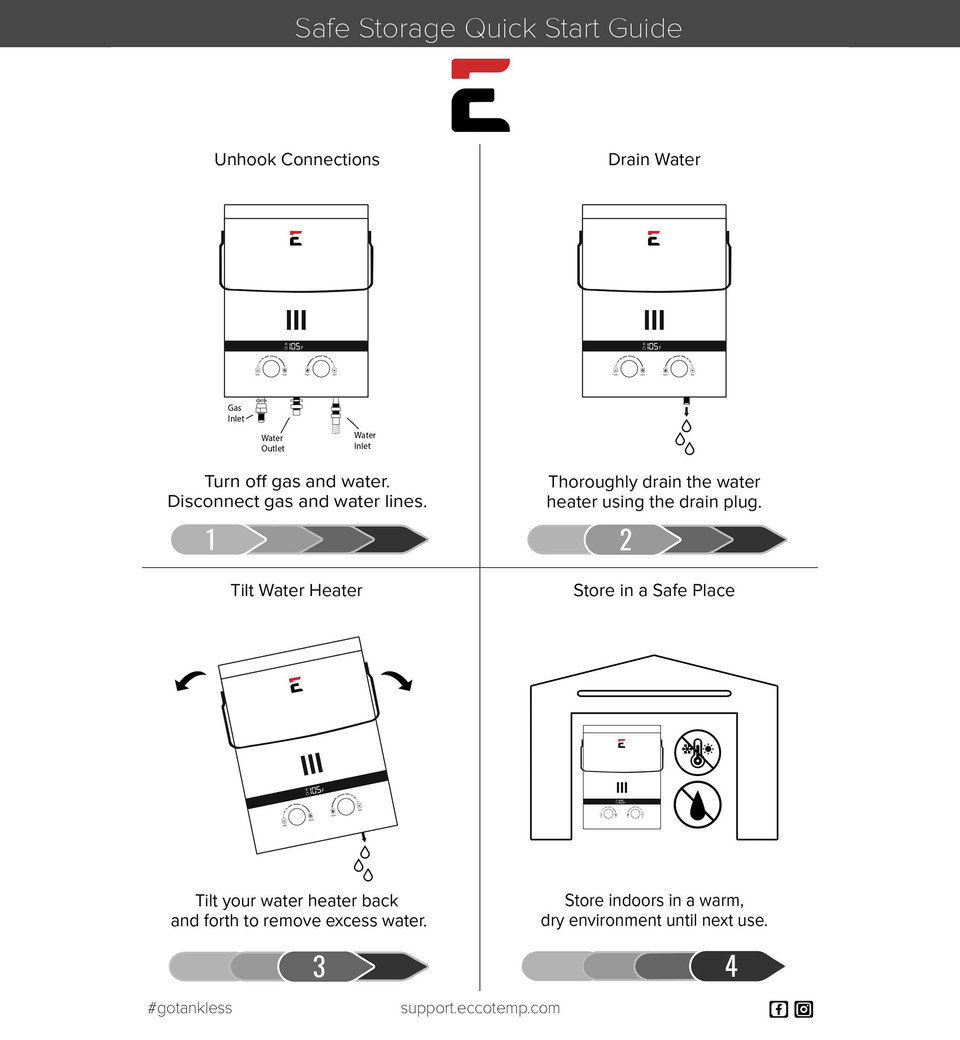
Regular maintenance is vital for keeping a small hot water tank running efficiently. This includes checking for leaks, flushing the tank to remove sediment buildup, and inspecting the anode rod. Performing these tasks annually ensures that the tank operates at peak efficiency.
Enhancing System Longevity
Investing time in maintaining and optimizing a small hot water tank not only improves efficiency but also extends the life of the system. Here are some additional tips:
- Use Less Hot Water: Implement water-saving habits such as taking shorter showers and using cold water for laundry when possible.
- Install Low-Flow Fixtures: Low-flow showerheads and faucets reduce water usage, easing the demand on your hot water system.
- Monitor Usage Patterns: Being aware of your household’s hot water usage patterns can help in scheduling activities that require hot water more effectively, preventing overuse.
Conclusion
When optimized correctly, a small hot water tank can serve as an efficient and cost-effective solution for households with limited space or moderate hot water demands. By following the tips outlined above, homeowners can maximize their system’s efficiency, reduce energy consumption, and enjoy reliable access to hot water. The key is to remain proactive in maintenance and mindful of usage habits, ensuring that these compact systems deliver their full potential.