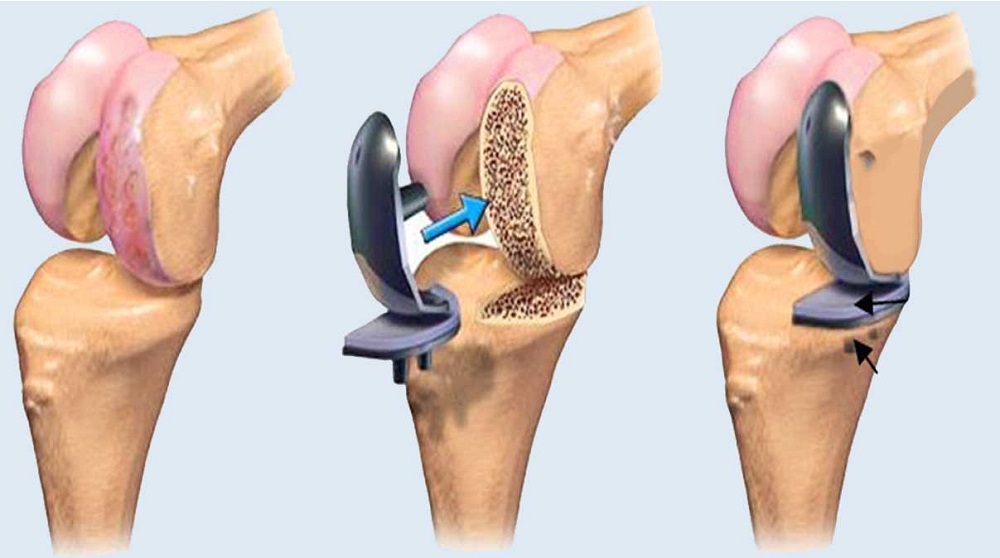
Knee replacement surgeries have been a common solution for those suffering from severe knee pain and mobility issues. However, the invasiveness of the procedure, coupled with the lengthy recovery time and potential complications, has led many to explore natural remedies as a viable alternative. These remedies focus on reducing pain and inflammation, improving joint function, and enhancing overall knee health. With an increasing interest in holistic health and preventive care, natural remedies are gaining recognition for their effectiveness and minimal side effects.
Understanding the Causes of Knee Pain
Before exploring natural remedies, it is essential to understand the underlying causes of knee pain. Common causes include:
- Osteoarthritis: A degenerative joint disease that affects the cartilage.
- Rheumatoid arthritis: An autoimmune condition causing inflammation in the joints.
- Injuries: Such as ligament tears, fractures, or dislocations.
- Overuse: Resulting from repetitive activities leading to stress on the knee.
Natural Remedies for Knee Pain Relief
Dietary Modifications
Adopting an anti-inflammatory diet can significantly impact joint health and alleviate knee pain. Consider the following dietary adjustments:
- Include omega-3 fatty acids found in fish, flaxseeds, and walnuts to reduce inflammation.
- Consume plenty of fruits and vegetables rich in antioxidants.
- Avoid processed foods, sugar, and refined carbohydrates.
For more information on a knee replacement alternative, consider consulting a healthcare professional.
Herbal Supplements
Herbal supplements have been used for centuries to support joint health and reduce pain. Some notable options include:
- Turmeric: Contains curcumin, which has potent anti-inflammatory properties.
- Ginger: Known for its ability to reduce pain and improve mobility.
- Willow Bark: Acts similarly to aspirin and can help alleviate pain.
Physical Therapy and Exercise
Regular exercise and targeted physical therapy can help strengthen the muscles around the knee, improving stability and reducing pain. Recommended activities include:
- Swimming: Offers a low-impact way to improve cardiovascular fitness and muscle strength.
- Walking: Helps maintain joint function without putting undue stress on the knees.
- Strength training: Focus on exercises that target the quadriceps, hamstrings, and calves.
Acupuncture
Acupuncture is an ancient Chinese practice that involves inserting thin needles into specific points on the body. It has been shown to reduce knee pain by:
- Stimulating the release of endorphins, the body’s natural pain-relieving chemicals.
- Improving blood flow and reducing inflammation in the affected area.
- Balancing the body’s energy, or “qi,” to promote healing and wellness.
Weight Management
Maintaining a healthy weight is crucial for reducing stress on the knees. Benefits of weight management include:
- Decreased pressure on the knee joints, minimizing wear and tear.
- Improved mobility and reduced pain levels.
- Enhanced overall health and well-being.
Conclusion
Natural remedies offer a promising knee replacement alternative for individuals seeking to avoid surgery. By focusing on dietary changes, herbal supplements, physical therapy, and other holistic approaches, it is possible to enhance knee health and improve quality of life. Always consult with a healthcare professional before starting any new treatment regimen to ensure it aligns with individual health needs and conditions.

