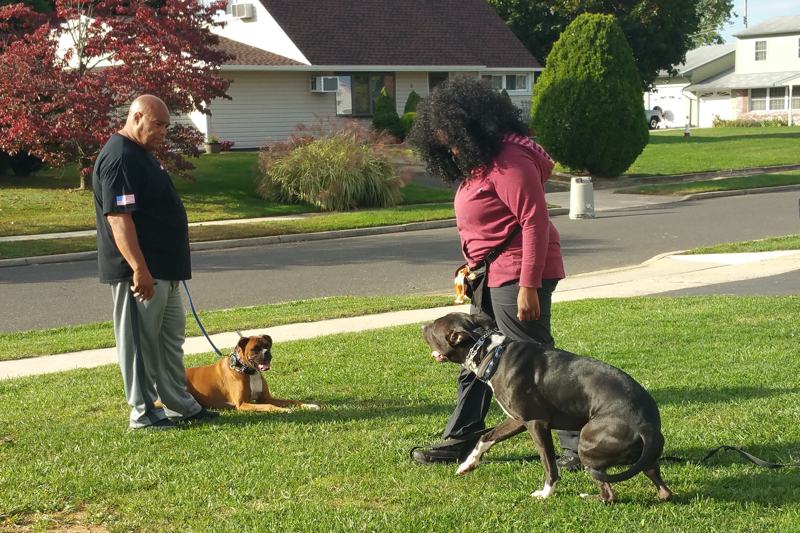
Dogs are often referred to as man’s best friend, but when aggression is exhibited, it can strain even the closest relationships. Aggressive behavior in dogs is a common issue that many pet owners face, but understanding the root causes and employing effective training strategies can help manage and mitigate these behaviors. This article delves into the methods of safely managing aggressive dog behavior with proper training techniques, ensuring a harmonious relationship between pet and owner.
Understanding Aggression in Dogs
Aggression in dogs can stem from a variety of sources. It is crucial to identify the underlying cause to tailor the most effective training approach. Common causes include:
- Fear: Dogs may react aggressively when they feel threatened or frightened.
- Territorial Behavior: Protectiveness over their space can lead to aggressive responses.
- Social Aggression: Poor socialization can result in defensive or aggressive behavior towards other dogs.
- Pain or Discomfort: Physical ailments can make dogs more prone to aggression.
Understanding these triggers is the first step toward effective management. Learn about our tailored solutions for identifying and addressing the root causes of aggression.
Implementing Training Strategies
Once the cause of aggression is identified, a structured training plan is essential. The following strategies can assist in managing aggressive behavior:
Positive Reinforcement
Positive reinforcement is a powerful tool in dog training. It involves rewarding desirable behavior to encourage its repetition. This can be achieved through:
- Offering treats for calm behavior in situations that usually trigger aggression.
- Using verbal praise or affectionate gestures to reward non-aggressive responses.
This method not only helps in reducing aggressive behavior but also strengthens the bond between dog and owner. Explore advanced guides and tips on utilizing positive reinforcement effectively.
Desensitization and Counter-Conditioning
Desensitization involves gradually exposing the dog to the source of its aggression at a controlled intensity. Counter-conditioning replaces the aggressive response with a positive one. Steps include:
- Identifying triggers and exposing the dog to them at a distance where they remain calm.
- Gradually decreasing the distance over time while rewarding calm behavior.
- Changing the dog’s emotional response by associating the trigger with something positive.
These techniques require patience and consistency but can yield significant improvements. Discover expert strategies here to effectively apply these methods.
Professional Assistance and Advanced Techniques
In cases where aggression is severe, seeking the help of a professional dog trainer or behaviorist is highly recommended. They can offer advanced techniques and tailored solutions to address complex behavior issues. Considerations include:
- Working with certified professionals who specialize in aggressive behavior.
- Utilizing tools and methods that align with the dog’s specific needs.
- Incorporating ongoing training and follow-up sessions to ensure lasting results.
Professional guidance can make a significant difference in managing aggression safely and effectively. Find out more about this approach to professional training.
Ensuring Safety and Consistency
Consistency is key in managing aggressive behavior. Owners should ensure that all family members and handlers are on the same page regarding training protocols. Key aspects include:
- Maintaining a calm demeanor during training sessions.
- Avoiding punishment, which can exacerbate aggression.
- Regularly practicing and reinforcing trained behaviors.
By fostering a consistent and calm environment, aggressive behaviors can be effectively managed, leading to a more peaceful coexistence. For continuous support and guidance, explore advanced guides and tips on maintaining consistency in training.
In conclusion, managing aggressive dog behavior requires a thoughtful approach, combining understanding, patience, and the right training strategies. With the proper guidance and techniques, it is possible to transform aggressive tendencies into positive behavior, ensuring a happier life for both pet and owner.

