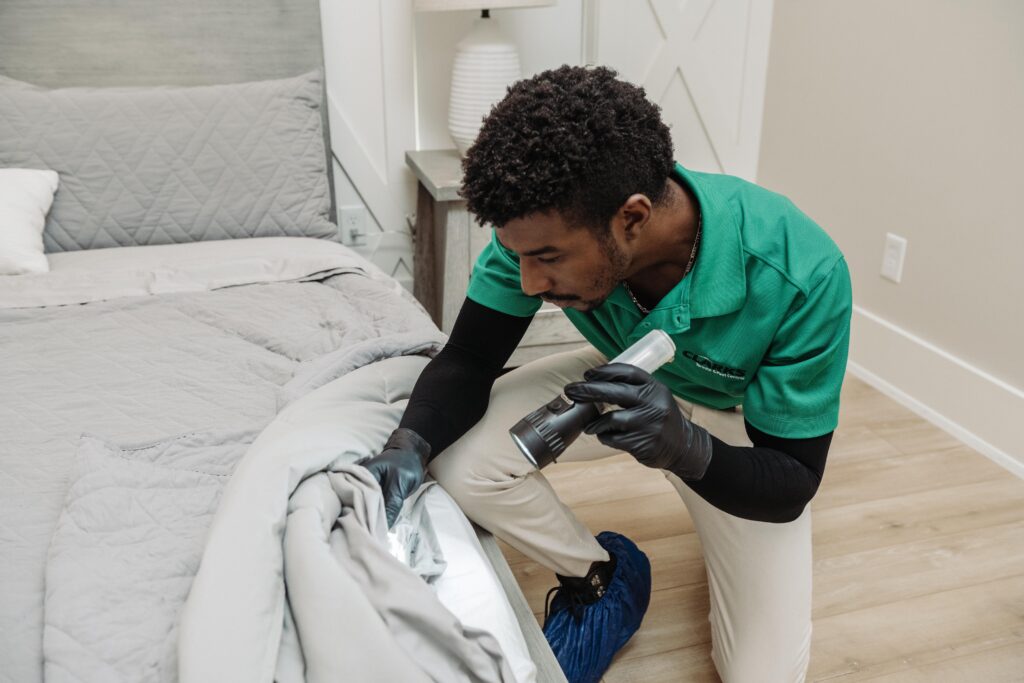
Bed bugs are a growing problem in homes and businesses worldwide, causing significant discomfort and health issues. These nocturnal pests can be challenging to detect and eliminate, leading to widespread infestations if not addressed promptly. Fortunately, there are several effective strategies to combat bed bugs, ranging from professional extermination services to DIY methods. This article explores the top bed bug treatment methods to help you reclaim your space and ensure a peaceful environment.
Identifying Bed Bug Infestations
Before considering treatment options, confirming the presence of bed bugs is crucial. Common signs include:
- Red, itchy bites on the skin.
- Blood stains on sheets or pillowcases.
- Dark or rusty spots of bed bug excrement on mattresses, bedding, and walls.
- Musty odors emanating from infested areas.
Early detection can significantly increase the effectiveness of bed bug treatment strategies.
Professional Extermination Services
Heat Treatment
One of the most effective methods for eliminating bed bugs is heat treatment. This process involves raising the temperature in infested areas to a level that is lethal to bed bugs and their eggs. The benefits include:
- Immediate extermination of bed bugs at all life stages.
- No use of chemicals, making it environmentally friendly.
- Penetration into hard-to-reach areas, ensuring comprehensive treatment.
Chemical Treatments
Chemical treatments utilize insecticides specifically designed to kill bed bugs. These treatments are often used in conjunction with other methods for maximum efficacy. Key points include:
- Residual effects that continue to kill bed bugs after initial application.
- Available in various forms, including sprays, powders, and liquids.
- Professional application ensures safety and effectiveness.
DIY Bed Bug Treatment Options
Vacuuming and Steam Cleaning
Regular vacuuming and steam cleaning can help reduce bed bug populations. These methods are ideal for initial control and maintenance following professional treatments. Consider the following tips:
- Use a vacuum with a HEPA filter to trap bed bugs and their eggs effectively.
- Steam cleaners should reach temperatures of at least 122??F (50??C) to kill bed bugs.
- Focus on seams, edges, and crevices where bed bugs hide.
Encasements and Traps
Encasing mattresses and box springs can prevent bed bugs from accessing these areas, disrupting their life cycle. Additionally, traps can monitor and capture stray bugs:
- High-quality encasements are bed bug-proof and hypoallergenic.
- Traps can be placed under bed legs to capture bed bugs climbing up.
- Encasements and traps should be used in conjunction with other treatments for best results.
Preventative Measures
Preventing future infestations is as critical as treating existing ones. Implementing simple habits can minimize the risk of bed bugs:
- Regularly inspect and clean bedding and furniture.
- Reduce clutter to eliminate hiding spots for bed bugs.
- Be cautious when traveling, inspecting hotel rooms for signs of bed bugs.
- Seal cracks and crevices in walls to reduce entry points.
Conclusion
Eliminating bed bugs requires a combination of effective identification, professional treatment, and preventative measures. Whether opting for professional extermination services or implementing DIY methods, understanding the available options and their application is essential for successful eradication. By staying informed and proactive, one can ensure a bed bug-free environment, promoting health and comfort in any setting.

