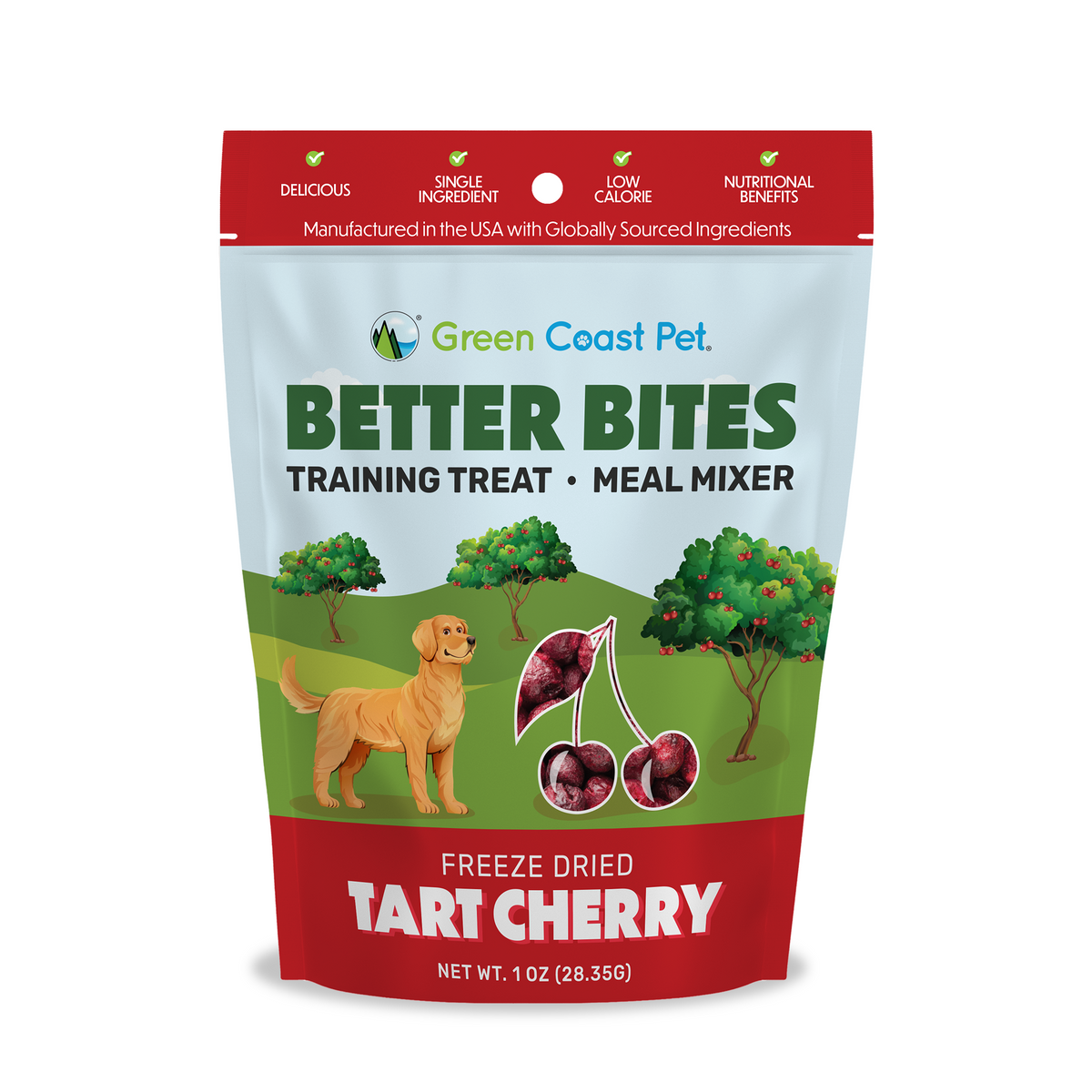
Soft dog treats have become a staple in the world of pet care, offering an enticing way to reward our furry companions while also ensuring their nutritional needs are met. These treats are not only palatable but also come with a range of health benefits that can contribute to a dog’s overall well-being. As dog owners become increasingly conscientious about what goes into their pets’ diets, the demand for high-quality, natural pet treats continues to rise. The appeal of soft dog treats lies in their texture, which is gentle on the teeth and perfect for dogs of all ages, from puppies to senior dogs.
The Benefits of Soft Dog Treats
Soft dog treats are more than just a tasty indulgence; they serve multiple purposes that can enhance the quality of life for dogs. Here are some of the key benefits:
- Dental Health: The gentle texture of soft treats is ideal for dogs with dental issues or sensitive gums, minimizing the risk of damage.
- Training Aid: The irresistible flavor and aroma make these treats an effective tool for positive reinforcement during training sessions.
- Portion Control: Soft treats can be easily broken into smaller pieces, allowing pet owners to manage their dog’s calorie intake without compromising on taste.
- Digestibility: With their softer consistency, these treats are often easier on a dog’s digestive system, making them suitable for those with sensitive stomachs.
Ingredients to Look For
When selecting soft dog treats, it’s crucial to pay attention to the ingredients. High-quality treats will feature natural, wholesome ingredients that support a dog’s health. Here are some ingredients to keep an eye out for:
- Real Meat: Look for treats that list real meat as the primary ingredient, as this ensures a high protein content.
- Whole Grains: Ingredients like brown rice or oats provide fiber and energy without unnecessary fillers.
- Fruits and Vegetables: These add vitamins, minerals, and antioxidants to the treats, contributing to a balanced diet.
- Limited Additives: Avoid treats with artificial colors, flavors, or preservatives which can be harmful over time.
Choosing the Right Treat for Your Dog
Consider Your Dog’s Dietary Needs
Each dog is unique, with specific dietary requirements based on factors such as age, size, and health condition. It’s important to select treats that complement their regular diet. For instance, senior dogs may benefit from treats with added joint support, while puppies might need treats that aid in growth and development.
Understanding Flavor Preferences
Dogs, much like humans, have individual taste preferences. Observing your dog’s reaction to different flavors can help in selecting treats that they will enjoy. Experimenting with a variety of flavors can also keep treat time exciting for your pet.
Incorporating Treats into a Balanced Diet
While soft dog treats are a delightful addition to a dog’s routine, they should be given in moderation as part of a balanced diet. It’s essential to ensure that treats do not exceed 10% of a dog’s daily caloric intake. This practice helps maintain a healthy weight and prevents nutritional imbalances.
For dog owners seeking to provide their pets with the best, exploring options from reputable sources that prioritize quality, such as natural and wholesome ingredients, is key. By selecting the right soft dog treats, pet owners can support their dog’s health while also indulging them in a tasty reward.
