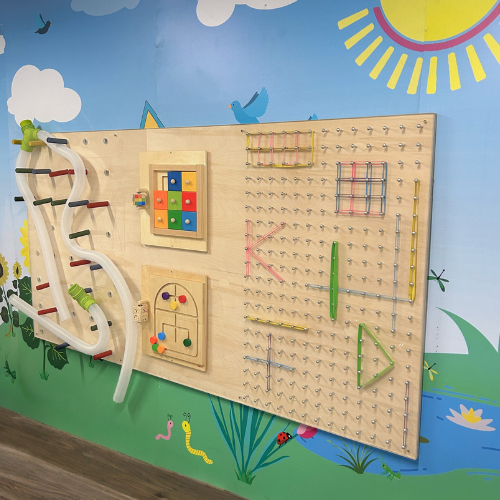
Supporting students with autism in educational settings involves understanding their unique sensory needs and providing environments that cater to these needs. Sensory path panels have emerged as an innovative tool in this regard, offering a structured way for children to engage their senses and improve their interaction with the world around them. These panels are designed to create a multisensory experience that can help in reducing anxiety, increasing focus, and facilitating a more conducive learning environment. This article delves into the various benefits of sensory path panels and how they can be effectively integrated into educational settings to support students with autism.
The Role of Sensory Path Panels in Autism Support
Sensory path panels serve as a bridge between traditional learning methodologies and the unique needs of students on the autism spectrum. By providing tactile, visual, and auditory stimuli, these panels can:
- Help regulate sensory input and improve focus.
- Offer a safe space for sensory exploration.
- Encourage motor skills development through interactive activities.
- Reduce anxiety by providing a predictable environment.
For educators looking to incorporate sensory path panels, discover expert strategies here to maximize their effectiveness in supporting students’ learning experiences.
Designing Effective Sensory Paths
Key Considerations
When designing sensory paths, several factors should be considered to ensure they meet the needs of students with autism:
- Customization: Tailor the panels to the specific sensory preferences and challenges of the students.
- Engagement: Use vibrant colors and textures to maintain interest.
- Variety: Include a mix of activities that target different senses.
- Safety: Ensure the materials used are safe and durable.
For more guidance on creating customized sensory experiences, learn about our tailored solutions.
Integrating Sensory Paths into the Classroom
Integrating sensory path panels into classrooms requires thoughtful planning and collaboration among educators, therapists, and parents. Here are some strategies to consider:
- Placement: Install sensory paths in areas where students can use them without causing disruptions.
- Routine Integration: Incorporate sensory path activities into daily routines to help students transition between tasks.
- Collaboration: Work with occupational therapists to ensure the paths meet therapeutic goals.
- Feedback: Regularly collect feedback from students to make necessary adjustments.
To further understand how to seamlessly integrate these tools into educational settings, explore advanced guides and tips available online.
Evidence of Effectiveness
Research and anecdotal evidence suggest that sensory path panels can significantly enhance the learning experience for students with autism. Benefits observed include:
- Increased engagement and participation in classroom activities.
- Improved emotional regulation and reduced instances of sensory overload.
- Enhanced social interactions through shared sensory experiences.
- Overall improvement in academic performance.
For those interested in exploring the research behind these benefits, find out more about this approach to understand its impact fully.
Conclusion
Sensory path panels offer a promising avenue for supporting students with autism in educational settings. By providing a structured sensory experience, these panels can address the unique needs of students, fostering a more inclusive and effective learning environment. As educators and caregivers continue to seek innovative strategies to support diverse learners, sensory path panels stand out as a valuable tool in their arsenal. For those looking to implement or learn more about these solutions, numerous resources and expert guides are available to aid in the journey towards creating supportive and engaging educational experiences for all students.