In the realm of property enhancement, landscaping architecture emerges as a transformative art form, shaping the environment into a harmonious blend of nature and design. This practice not only elevates aesthetic appeal but also enhances property value, fosters environmental sustainability, and improves quality of life. Understanding the nuances of landscaping architecture allows property owners to tailor their outdoor spaces in a manner that reflects personal style and complements the architectural integrity of their homes.
The Fundamentals of Landscaping Architecture
At its core, landscaping architecture involves the strategic planning and execution of outdoor spaces. It encompasses a variety of elements including plants, water features, pavements, and lighting. The goal is to create a balanced ecosystem that is both functional and pleasing to the eye.
Key Elements to Consider
- Plant Selection: Choosing the right flora is crucial. Consider native plants that thrive in local climates, which reduces maintenance and conserves water.
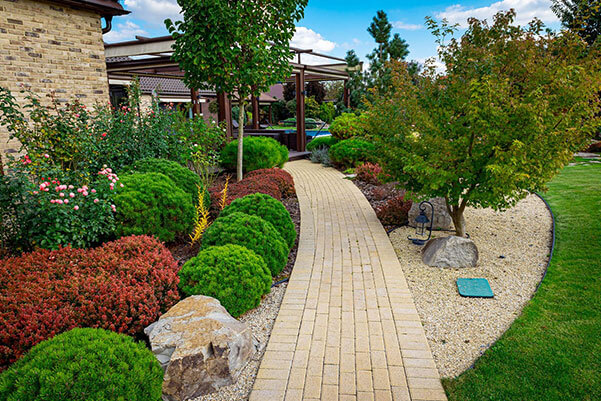
- Hardscaping: This involves the non-living components of landscaping like pathways, walls, and patios. Materials such as stone, brick, and wood can be used to complement the natural surroundings.
- Water Features: Incorporating elements like fountains, ponds, or waterfalls can enhance tranquility and create a focal point in the garden.
- Lighting: Thoughtful lighting design can extend the usability of outdoor areas into the evening and highlight key features of the landscape.
Enhancing Property Value through Design
Effective landscaping can significantly increase property value. An aesthetically pleasing, well-maintained landscape can make a strong first impression on potential buyers and tenants. Here”?s how landscaping architecture can add value:
- Curb Appeal: A beautiful front yard can attract more eyes and generate interest in a property, potentially increasing its market value.
- Energy Efficiency: Strategically placed trees and shrubs can provide shade and windbreaks, reducing heating and cooling costs.
- Functional Spaces: Creating outdoor living spaces such as decks or patios enhances usability and appeal, offering additional functional areas for enjoyment.
Sustainability in Landscaping
Sustainability is a growing concern in landscaping architecture. Designers are increasingly incorporating eco-friendly practices to create landscapes that are beautiful, functional, and environmentally responsible.
Strategies for Sustainable Landscaping
- Water Conservation: Implementing drip irrigation systems and selecting drought-resistant plants can significantly reduce water usage.
- Soil Health: Using organic fertilizers and composting can improve soil quality and promote healthy plant growth.
- Wildlife Habitats: Incorporating native plants and natural features can support local wildlife and biodiversity.
Conclusion
Landscaping architecture is an artful blend of creativity and practicality, offering a unique opportunity to enhance property aesthetics and value while fostering environmental stewardship. By considering the principles of good design, understanding the elements of sustainability, and crafting spaces that reflect personal style, property owners can transform their outdoor environments into stunning landscapes that are both functional and harmonious. Whether through landscaping architecture or other design strategies, embracing this art form can lead to lasting benefits for individuals and communities alike.