Orchids are among the most exquisite and delicate plants, captivating enthusiasts with their stunning blooms and intriguing forms. However, maintaining their beauty requires specific care, and one crucial aspect is selecting the appropriate potting mix. Unlike many houseplants, orchids do not thrive in traditional soil due to their unique root systems. Understanding the components of an effective orchid potting mix can significantly impact the health and longevity of these floral treasures.
Understanding Orchid Root Systems
To choose the right orchid potting mix, it is essential to first understand the root systems of orchids. Orchids typically grow in natural environments where their roots are exposed to air and light. This exposure allows them to absorb moisture and nutrients from the air and surrounding environment. Therefore, they require a potting mix that provides adequate aeration and drainage.
Key Characteristics of Effective Orchid Mixes
When selecting an orchid potting mix, consider the following characteristics:
- Good Drainage: Orchid roots are susceptible to rot if they remain waterlogged. A mix with excellent drainage helps prevent this issue.
- Aeration: The mix should allow for air circulation around the roots, mimicking the natural air exposure orchids get in their native habitats.
- Light and Porous: The potting medium should not be too dense, ensuring that roots can grow freely and absorb necessary nutrients.
Common Ingredients in Orchid Potting Mixes
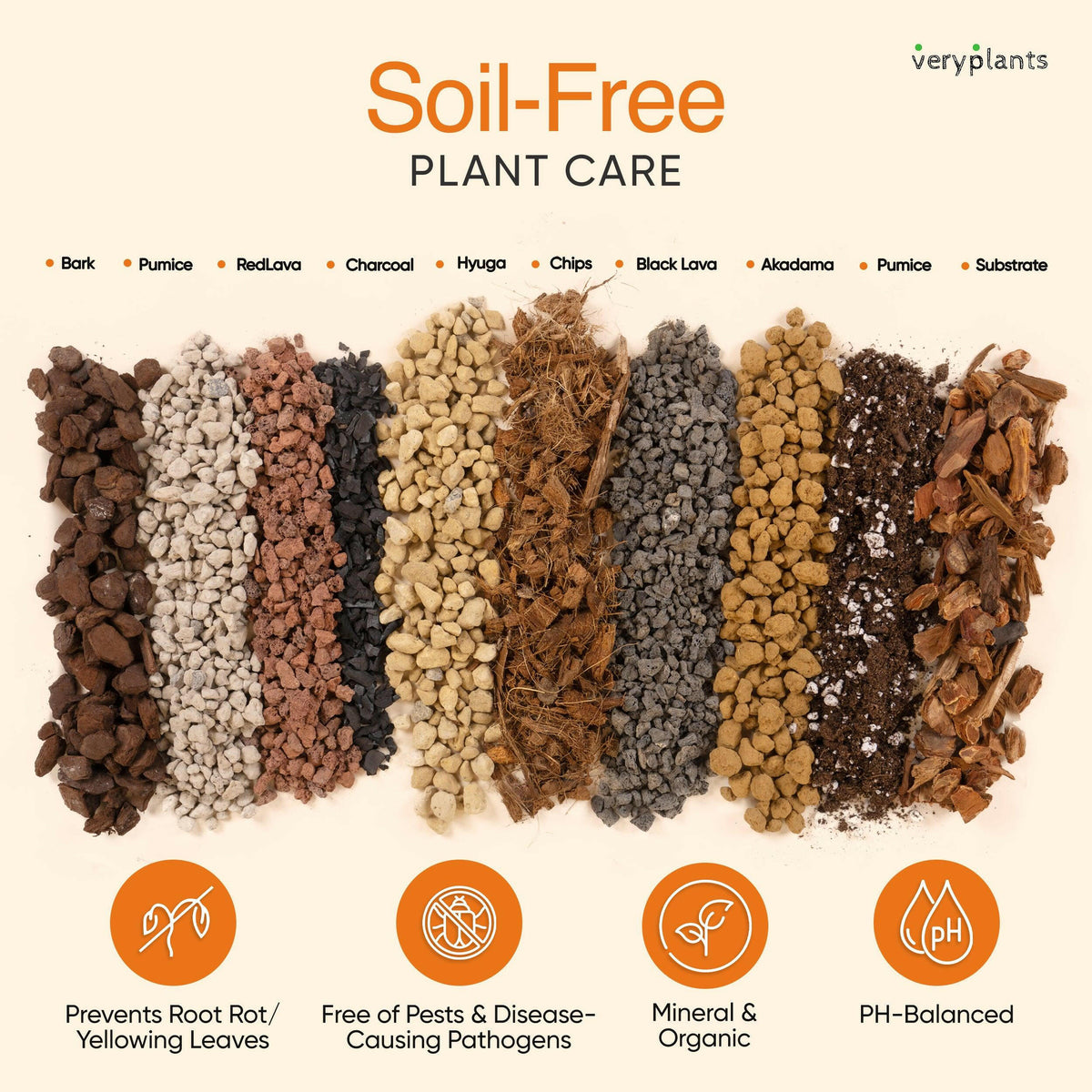
An effective orchid potting soil often includes a combination of several organic and inorganic materials. Each ingredient serves a specific purpose, contributing to the overall health of the plant.
Bark
Bark, commonly from fir or pine trees, is a staple in orchid potting mixes. It provides a natural environment that allows for air circulation and drainage. The bark also mimics the natural habitats of many orchid species, where they often grow on tree trunks.
Sphagnum Moss
Sphagnum moss is another popular component. It aids in moisture retention while still allowing for adequate drainage. This is particularly useful for orchids that require slightly higher humidity levels.
Perlite and Vermiculite
Both perlite and vermiculite are added to enhance aeration and prevent soil compaction. These materials are lightweight and help maintain the potting mix’s structure, ensuring that roots have space to breathe.
Choosing the Right Mix for Specific Orchid Types
Different orchid species have varying needs, and it’s crucial to tailor the potting mix accordingly.
Phalaenopsis Orchids
Phalaenopsis, or moth orchids, are among the most common orchids kept as houseplants. They thrive in a mix with a higher bark content, which provides the necessary aeration and drainage.
Vanda Orchids
Vanda orchids require a more airy and less dense potting medium. A mix with larger chunks of bark or even charcoal can be beneficial for these epiphytic orchids.
Maintaining Orchid Potting Mix
Once the right potting mix is chosen, proper maintenance is crucial to ensure the longevity of the plant. Regularly check for signs of decomposition in organic components like bark and replace them as needed. Additionally, flushing the potting mix with water can help prevent salt buildup, which can be detrimental to orchids.
Conclusion
Selecting the right potting mix is foundational to the health and vitality of orchids. By understanding the unique needs of these plants and the role of different potting mix ingredients, one can create an optimal growing environment that allows orchids to thrive. For those looking to invest in a high-quality orchid potting mix, considering options tailored to the specific requirements of their orchid species can make all the difference.