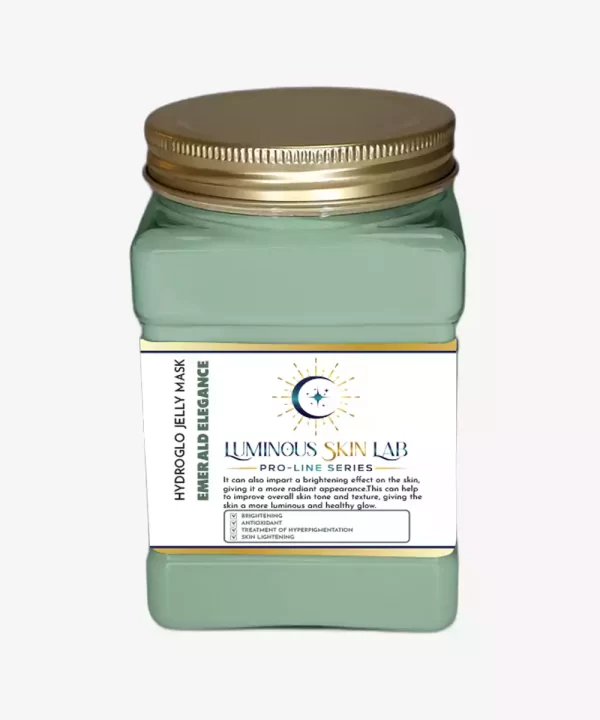
Microneedling has become one of the most sought-after treatments in the realm of skincare, owing to its multifaceted benefits. This innovative procedure involves using tiny needles to create micro-injuries on the skin, which may sound intimidating but is revered for its ability to rejuvenate and revitalize. As the skin heals, it produces more collagen and elastin, essential proteins that contribute to a youthful, firm appearance. With a surge in popularity, understanding the scientific principles behind microneedling can help individuals make informed decisions about incorporating this treatment into their skincare regimen.
The Mechanism of Microneedling
At the core of microneedling’s effectiveness is the natural healing process it stimulates. When the skin experiences micro-injuries, it triggers a cascade of physiological responses:
- Collagen Synthesis: The body responds to the perceived injury by producing collagen, a protein that strengthens and supports skin structure.
- Elastin Production: Alongside collagen, elastin is generated, lending the skin its elasticity and resilience.
- Cell Turnover: The procedure accelerates the turnover of skin cells, helping to shed damaged layers and reveal fresher, healthier skin beneath.
These mechanisms are key to microneedling’s ability to address a variety of skin concerns, ranging from fine lines to acne scars.
Benefits of Microneedling
Microneedling offers a host of benefits, making it a versatile treatment option for different skin types and concerns. Some of the notable advantages include:
Enhanced Skin Texture and Tone
Through the stimulation of collagen and elastin, microneedling can significantly improve the texture and tone of the skin. It helps to refine pore size, smooth out rough patches, and even out pigmentation irregularities. Explore advanced guides and tips for maximizing these benefits.
Reduction of Fine Lines and Wrinkles
The increase in collagen production can lead to a reduction in the appearance of fine lines and wrinkles, offering a more youthful complexion. This makes microneedling an appealing option for those seeking non-surgical anti-aging treatments. Find out more about this approach to combat aging skin.
Scar Treatment
Microneedling is particularly effective in treating various types of scars, including acne scars. The stimulation of collagen remodeling helps in diminishing scar depth and visibility, leading to smoother skin. Discover expert strategies here for scar management using microneedling.
Considerations and Aftercare
While microneedling is largely safe, it is essential to consider certain factors before undergoing the procedure:
- Professional Guidance: Consulting with a skincare professional is crucial to determine if microneedling is appropriate for individual skin needs and to ensure proper technique and hygiene.
- Skin Sensitivity: Those with sensitive skin or certain skin conditions should approach microneedling with caution, as it may exacerbate symptoms.
- Aftercare: Post-treatment care is vital to optimize results and minimize potential side effects. This includes avoiding sun exposure and using gentle skincare products. Learn about our tailored solutions for effective aftercare.
Conclusion
Microneedling stands out as a scientifically-backed treatment that harnesses the body’s natural healing processes to enhance the skin’s appearance and health. By understanding the science behind it, individuals can better appreciate its potential and make informed choices regarding their skincare journey. For those intrigued by the possibilities of microneedling, exploring further resources can provide valuable insights into achieving desired skin outcomes. Explore advanced guides and tips on incorporating microneedling into a comprehensive skincare plan.

