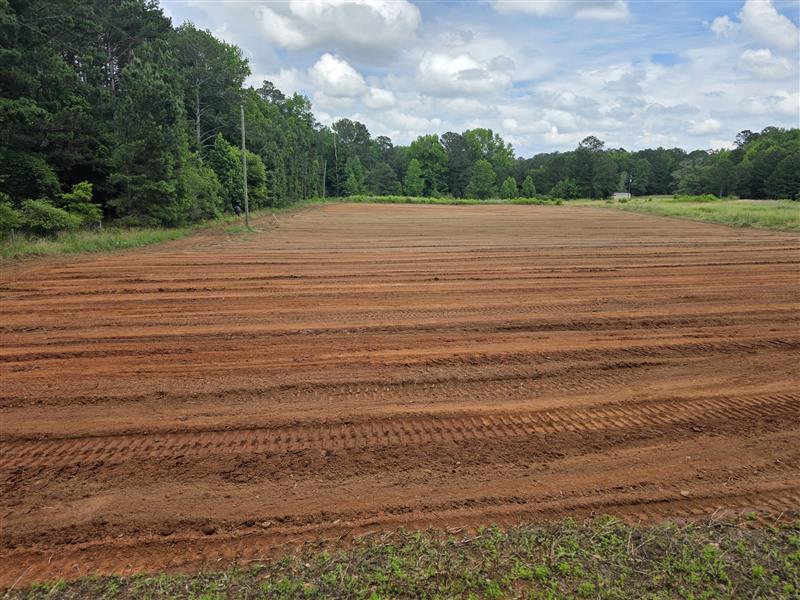
Establishing a deer food plot is an excellent way to attract and support wildlife on your property. Proper preparation and maintenance are key to ensuring a thriving ecosystem that benefits both deer and your land. Whether you’re a seasoned wildlife enthusiast or a beginner looking to enhance the biodiversity of your space, understanding the step-by-step process of creating a successful food plot is crucial. This guide will walk you through the essential stages of deer food plot preparation, from site selection to planting, and offer expert insights along the way.
Site Selection and Assessment
Choosing the right location for your deer food plot is foundational to its success. Here are some factors to consider during site selection:
- Proximity to cover: Deer prefer food plots that are close to their natural cover, such as woods or thickets, which provide security from predators.
- Soil quality: Conduct a soil test to determine the pH level and nutrient content. This information will guide you in soil amendments and fertilization. Discover expert strategies here.
- Water availability: Ensure that the site has adequate moisture levels, as water is crucial for both plant and wildlife health.
- Sunlight exposure: Most food plot plants require a good amount of sunlight, so choose a location that receives at least 6 hours of direct sunlight daily.
Soil Preparation
Testing and Amending the Soil
Once your site is selected, the next step is to prepare the soil. Begin with a comprehensive soil test to understand its current state. Based on the results, amend the soil to create optimal growing conditions:
- Adjust pH levels by adding lime if the soil is too acidic.
- Incorporate necessary nutrients such as nitrogen, phosphorus, and potassium.
- Use organic matter like compost to improve soil structure and fertility. Learn about our tailored solutions.
Tilling and Clearing
Proper tilling and clearing are vital to prepare the seedbed:
- Remove any debris, rocks, and competing vegetation from the site.
- Till the soil to a depth of 6-8 inches to break up compacted layers and allow for root penetration.
- Consider using a cultipacker to firm the seedbed, promoting good seed-to-soil contact.
Seed Selection and Planting
Selecting the right seed mix is crucial for attracting deer. Consider the following:
- Climate compatibility: Choose seeds that are well-suited to your region’s climate and soil conditions.
- Diversification: Use a mix of perennial and annual plants to provide a consistent food source throughout the year.
- Nutrition: Select high-protein plants like clover, chicory, and soybeans that support deer health. Explore advanced guides and tips.
Planting Techniques
Implement effective planting techniques to ensure successful germination:
- Follow the seed provider’s guidelines for seeding rate and depth.
- Consider broadcasting seeds and lightly raking them into the soil.
- Water the plot regularly, especially during dry spells, to support seed germination and growth.
Maintenance and Monitoring
After planting, ongoing maintenance is essential to sustain the food plot:
- Monitor for pests and diseases, and apply appropriate treatments when necessary.
- Regularly mow the plot to control weeds and encourage vigorous plant growth.
- Reapply fertilizers as needed based on soil tests to maintain nutrient levels. Find out more about this approach.
By following these guidelines and committing to regular maintenance, your deer food plot can become a thriving habitat that attracts wildlife and enhances the natural beauty of your property. With the right preparation and care, these plots can significantly contribute to the health and sustainability of local deer populations.

