In the contemporary construction industry, energy efficiency and sustainability have become paramount considerations. As a result, insulated glass panels have gained prominence as a preferred choice for windows in modern buildings. These panels play a crucial role in enhancing energy efficiency by minimizing heat transfer and sound transmission. Understanding the technology behind insulated glass panels is essential for architects, builders, and property owners who aim to make informed decisions about their construction and renovation projects.
What Are Insulated Glass Panels?
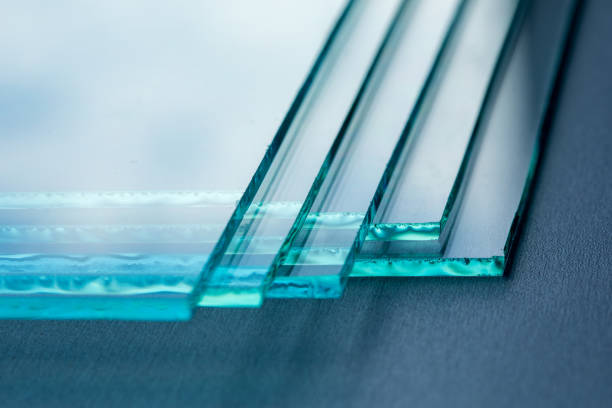
Insulated glass panels, often referred to as double glazing or triple glazing, consist of two or more glass panes separated by a spacer and sealed to create a single unit. The space between the panes is typically filled with air or an inert gas like argon or krypton, which enhances insulation properties.
Key Components of Insulated Glass Panels
- Glass Panes: These are typically made from tempered or laminated glass to ensure durability and safety.
- Spacer: This component separates the glass panes, maintaining a uniform gap that accommodates the insulating gas.
- Seals: Dual-seal systems are used to prevent moisture ingress and gas leakage, ensuring longevity and performance.
- Gas Fill: Inert gases such as argon or krypton are used to fill the gap, which reduces thermal conductivity and improves insulation.
- Low-E Coating: Some glass panels incorporate a low-emissivity coating that reflects infrared radiation, further enhancing energy efficiency.
The Technology Behind Insulation
The effectiveness of insulated glass panels for windows largely depends on the combination of materials and technologies used. Here are some crucial factors that contribute to their insulating capabilities:
Thermal Performance
Insulated glass panels are designed to reduce heat transfer, which is measured by the U-value. A lower U-value indicates better insulation. The use of inert gases and low-E coatings significantly contributes to reducing the U-value, thereby enhancing thermal performance.
Acoustic Insulation
Besides thermal insulation, these panels also provide excellent soundproofing. The multiple layers of glass and the gas-filled space help in dampening noise, making them ideal for buildings in noisy urban environments.
Benefits of Insulated Glass Panels
Here are some of the notable advantages of using insulated glass panels:
- Energy Efficiency: By reducing heat loss and gain, these panels help in maintaining indoor temperature, leading to reduced energy consumption and lower utility bills.
- Comfort: Consistent indoor temperatures contribute to enhanced comfort for occupants, regardless of external weather conditions.
- Environmental Impact: Reduced energy usage translates to lower carbon emissions, contributing to environmental sustainability.
- Increased Property Value: Buildings with energy-efficient features, such as insulated glass panels, often have higher market value.
Applications and Considerations
Insulated glass panels are versatile and can be used in various applications, including residential homes, commercial buildings, and even in facades and curtain walls. When selecting these panels, factors like climate, building orientation, and specific energy efficiency goals should be considered. Additionally, it is essential to choose the right combination of glass type, spacer, and gas fill to achieve desired results.
In conclusion, insulated glass panels represent a significant advancement in building technology, offering energy efficiency, comfort, and sustainability. By understanding the technology behind these panels and their benefits, stakeholders can make informed decisions that align with modern construction needs.

