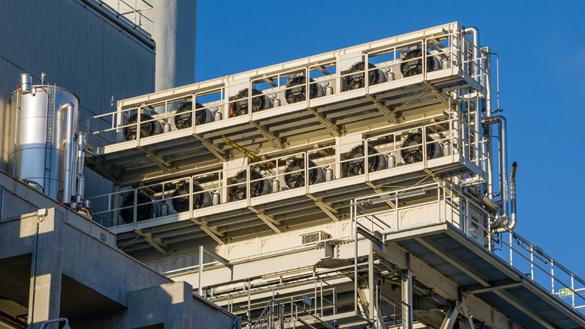
The pressing need for sustainable solutions to combat climate change has brought innovative technologies to the forefront, with carbon capture and storage (CCS) leading the charge. Recognized for its potential to significantly reduce greenhouse gas emissions, CCS technology is becoming a pivotal component of global sustainability strategies. As industries seek effective means to balance economic growth with environmental responsibility, the integration of such advanced technologies is revolutionizing how emission reductions are achieved.
Understanding Carbon Capture and Storage Technology
Carbon capture and storage technology involves capturing carbon dioxide (CO2) emissions from sources like power plants and industrial processes, preventing CO2 from entering the atmosphere. This captured carbon is then transported and stored underground in geological formations, ensuring a long-term reduction in atmospheric CO2 levels.
Key Components of CCS
- Capture: The process begins with capturing CO2 emissions at their source. This can be achieved through pre-combustion, post-combustion, or oxy-fuel combustion methods.
- Transport: Once captured, the CO2 is compressed and transported via pipelines, ships, or other methods to storage sites.
- Storage: The final step involves injecting the CO2 into deep underground rock formations, such as depleted oil and gas fields or deep saline aquifers, where it is securely stored.
The Impact of CCS on Sustainability
By incorporating carbon capture and storage technology into energy and industrial operations, the potential for significant environmental benefits is immense.
Environmental Benefits
- Emission Reduction: CCS can capture up to 90% of CO2 emissions from industrial sources, making it a crucial tool in reducing the carbon footprint of these sectors.
- Air Quality Improvement: By reducing CO2 emissions, CCS also contributes to improved air quality, benefiting public health and the environment.
- Climate Change Mitigation: As a key technology in achieving net-zero emissions, CCS plays a vital role in global efforts to mitigate climate change.
Challenges and Opportunities in CCS Adoption
Despite its potential, the widespread adoption of CCS technology faces several challenges that must be addressed to fully realize its benefits.
Challenges
- High Costs: The implementation of CCS technology can be expensive, with significant costs associated with capture, transport, and storage.
- Infrastructure Development: Establishing the necessary infrastructure for CO2 transport and storage requires substantial investment and planning.
- Regulatory and Public Acceptance: Gaining regulatory approval and public acceptance for CCS projects can be complex, requiring clear communication of benefits and safety measures.
Opportunities
- Technological Advancements: Continuous research and development are driving down costs and improving the efficiency of CCS technologies.
- Policy Support: Government policies and incentives can play a significant role in encouraging the adoption of CCS technologies.
- Collaborative Efforts: Partnerships between industry, government, and academia can facilitate the development and deployment of CCS solutions.
Conclusion
As the world grapples with the urgent need to address climate change, carbon capture and storage technology offers a promising pathway to reducing emissions and fostering sustainability. By overcoming current challenges and leveraging opportunities, CCS can become an integral part of a comprehensive strategy for a sustainable future. The commitment to developing and implementing such technologies reflects a broader dedication to environmental stewardship and innovation.