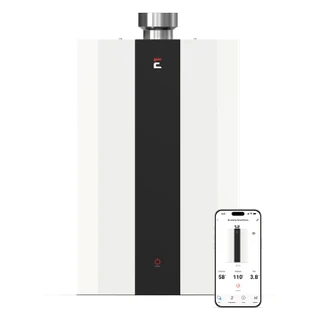
In the quest for energy efficiency and modern convenience, upgrading to an electric tankless water heater stands out as a wise choice for homeowners. These systems offer a reliable supply of hot water, energy savings, and a reduction in the carbon footprint. As more people seek sustainable solutions, the electric tankless water heater provides an ideal balance of performance and eco-friendliness, making it a perfect addition to any home.
What is an Electric Tankless Water Heater?
An electric tankless water heater heats water directly without the need for a storage tank. When a hot water tap is turned on, water travels through a pipe into the unit, where it is heated by an electric element. This method provides a constant supply of hot water and eliminates the standby heat loss associated with traditional storage water heaters.
Benefits of Tankless Water Heaters
- Energy Efficiency: Tankless systems only heat water when needed, reducing energy consumption.
- Continuous Hot Water Supply: Provides an uninterrupted flow of hot water, ideal for large families.
- Space Saving: Compact design frees up valuable floor space, making them suitable for smaller homes.
- Longer Lifespan: With proper maintenance, these heaters can last over 20 years.
- Lower Utility Bills: Reduced energy usage translates to cost savings on energy bills.
Comparing Electric and Gas Hot Water Heaters
When deciding between an electric water heater and a gas hot water heater, several factors must be considered:
- Installation: Electric models have simpler installation requirements, making them easier and often less expensive to install.
- Energy Source: Electric units use electricity, while gas heaters require a natural gas supply.
- Efficiency: Electric models typically boast higher energy efficiency ratings.
- Environmental Impact: Electric heaters produce no emissions, offering a greener solution.
Installation Considerations
Installing an electric tankless water heater requires careful planning and consideration of several factors:
- Electrical Requirements: Ensure your electrical system can support the additional load.
- Location: Choose a location that minimizes plumbing work and maximizes efficiency.
- Professional Installation: Consider hiring a licensed technician to ensure compliance with local codes and standards.
Conclusion
Transitioning to a tankless hot water heater represents a significant step towards modernizing home utilities. These systems not only offer practical benefits like energy efficiency and endless hot water supply but also contribute to environmental sustainability. As homeowners continue to embrace energy-efficient technologies, the electric tankless water heater remains an excellent investment for the future.

