In today’s competitive manufacturing landscape, precision and efficiency are paramount. For workshops aiming to enhance their production capabilities, investing in the right equipment is crucial. A small press brake can be an invaluable addition, offering both versatility and precision in metalworking tasks. This tool not only augments the capabilities of a workshop but also boosts productivity by enabling more complex and accurate bending operations.
Understanding Small Press Brakes
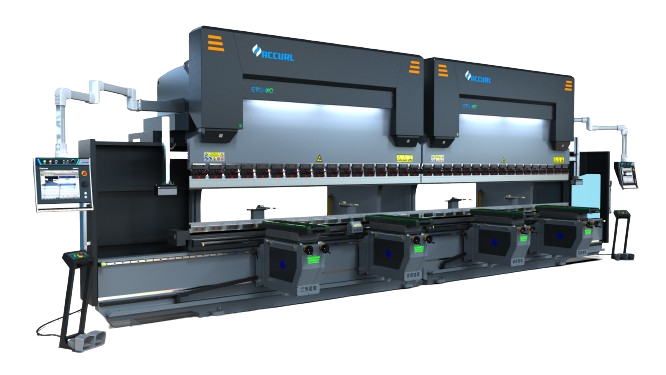
A small press brake is a machine tool used for bending sheet and plate material, most commonly sheet metal. It forms predetermined bends by clamping the workpiece between a matching punch and die. This type of press brake is perfect for smaller workshops or operations that don’t require the high capacity of larger machines.
Key Features of a Small Press Brake
- Compact Design: Ideal for workshops with limited space.
- Precision Bending: Provides accurate and repeatable bends.
- Ease of Use: User-friendly interfaces that require minimal training.
- Cost-Effective: More affordable than larger, industrial-sized press brakes.
Benefits of Upgrading with a Small Press Brake
Integrating a small press brake into a workshop setup can significantly enhance production processes. Here are some of the advantages:
Increased Efficiency
By automating the bending process, a small press brake reduces the time and effort required to achieve precise bends. This leads to faster turnaround times and increased workshop throughput. For those looking to purchase a press brake machine for sale, it offers an opportunity to improve operational efficiency without a hefty investment.
Versatility in Applications
These machines are capable of handling a variety of materials and bend types, making them suitable for a wide range of applications, from simple bends to complex, multi-stage processes. This versatility ensures that a workshop can adapt to different project requirements and market demands.
Choosing the Best Press Brake Machine
When selecting a press brake, several factors should be considered to ensure the investment meets the specific needs of a workshop. Here are some considerations:
- Material Type: Determine the types of materials you will be working with most frequently.
- Bending Capacity: Consider the thickness and length of material the machine can handle.
- Precision Requirements: Look for features that enhance the accuracy and precision of bends.
- Technology Integration: Modern press brakes come equipped with advanced features like CNC controls for enhanced precision and automation.
For those seeking the best press brake machine, it’s crucial to align the machine’s capabilities with the workshop’s operational goals and project scope.
Installation and Maintenance Tips
Proper installation and maintenance are key to maximizing the lifespan and performance of a small press brake. Here are some tips:
Installation Guidelines
- Ensure the installation site is prepared with adequate space and a stable foundation.
- Professional installation can help avoid setup errors and ensure the machine operates at peak efficiency.
Maintenance Practices
- Regularly inspect the machine for wear and tear, particularly the tooling and hydraulic systems.
- Follow the manufacturer’s maintenance schedule to keep the machine in optimal working condition.
- Keep the machine clean and free from debris that could affect its operation.
Investing in a small press brake not only enhances the technical capability of a workshop but also positions it for future growth. By selecting the right machine and maintaining it properly, workshops can ensure long-term productivity and success in their metalworking endeavors.