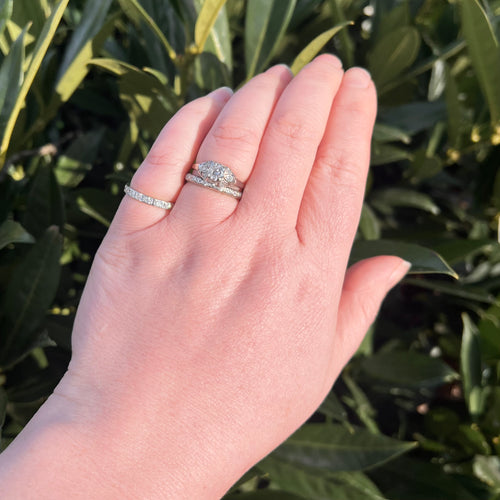
Victorian jewelry stands as a testament to the exquisite craftsmanship and timeless elegance that characterized the 19th century. Renowned for its intricate designs and sentimental value, this style of jewelry offers a glimpse into the rich history and cultural significance of the Victorian era. Each piece reflects the societal values and artistic trends of the time, making it a cherished possession for collectors and enthusiasts alike. The allure of Victorian jewelry lies not only in its beauty but also in its ability to tell stories through gems, metals, and motifs, revealing the personal and historical narratives embedded within.
The Historical Significance of Victorian Jewelry
The Victorian era, spanning from 1837 to 1901, was marked by significant developments in art, culture, and technology. Jewelry from this period captures the essence of the era’s aesthetics and innovations. The era can be divided into three distinct periods: Early Victorian (Romantic), Mid-Victorian (Grand), and Late Victorian (Aesthetic).
- Early Victorian (1837-1850): Known for its romantic influence, this period featured nature-inspired motifs such as flowers, leaves, and serpents. Jewelry was often crafted using gold and adorned with colored gemstones.
- Mid-Victorian (1860-1880): Also referred to as the Grand period, it was characterized by more somber and intricate designs. The use of dark gemstones like onyx, jet, and amethyst became popular, reflecting the period’s mourning jewelry.
- Late Victorian (1885-1900): The Aesthetic movement influenced this period, emphasizing artistic beauty. Jewelry designs became more elaborate, incorporating diamonds and bright gemstones with intricate metalwork.
To delve deeper into the intricacies of each period, explore advanced guides and tips for understanding the nuances of Victorian jewelry.
Materials and Techniques
The materials and techniques used in Victorian jewelry are indicative of the era’s innovation and craftsmanship. Understanding these elements provides insight into the timeless appeal of these pieces.
Common Materials
- Gold: Predominantly used, gold was often alloyed with other metals for durability and color variation. Rose gold and yellow gold were particularly popular.
- Silver: Utilized primarily for less formal pieces and often in combination with other materials.
- Gemstones: A variety of gemstones were used, including diamonds, sapphires, rubies, and emeralds. Cabochon settings were common for softer stones.
Innovative Techniques
- Filigree: Delicate metalwork involving twisting thin wires to create intricate patterns.
- Enameling: Applying colored glass powder to metal surfaces, creating vivid designs and scenes.
- Repouss? and Chasing: Techniques used to create raised designs on metal surfaces by hammering from the reverse side.
For a more comprehensive understanding of these methods, learn about our tailored solutions to appreciate the craftsmanship behind Victorian jewelry.
The Symbolism Behind Victorian Designs
Victorian jewelry is rich in symbolism, with each piece often carrying deep personal or cultural meanings. This aspect adds to its timeless allure and makes it a favorite among collectors.
- Sentimental Jewelry: Lockets, hair jewelry, and other pieces often contained personal mementos, serving as tokens of love and remembrance.
- Nature Motifs: Designs featuring flowers, birds, and animals symbolized growth, love, and spirituality.
- Mourning Jewelry: Crafted using dark materials, these pieces were worn as a symbol of mourning and remembrance.
To discover expert strategies here for collecting and preserving these symbolic treasures, visit our resources on Victorian jewelry.
Conclusion
Victorian jewelry remains a cherished embodiment of elegance, craftsmanship, and historical significance. Its ability to convey emotion and narrative through design makes it a timeless treasure for those who appreciate its beauty and heritage. Whether one is a seasoned collector or a novice enthusiast, understanding the intricacies of Victorian jewelry enhances its appreciation, ensuring its legacy endures for generations to come. Find out more about this approach to preserving and collecting Victorian jewels, keeping the spirit of this elegant era alive.

